Inspirations Baumier topinambour noir 1072x1215

Published on March 23, 2026

Baumier’s Black Jerusalem Artichoke: Unexpected Flavors

Good to know Featured Restaurant

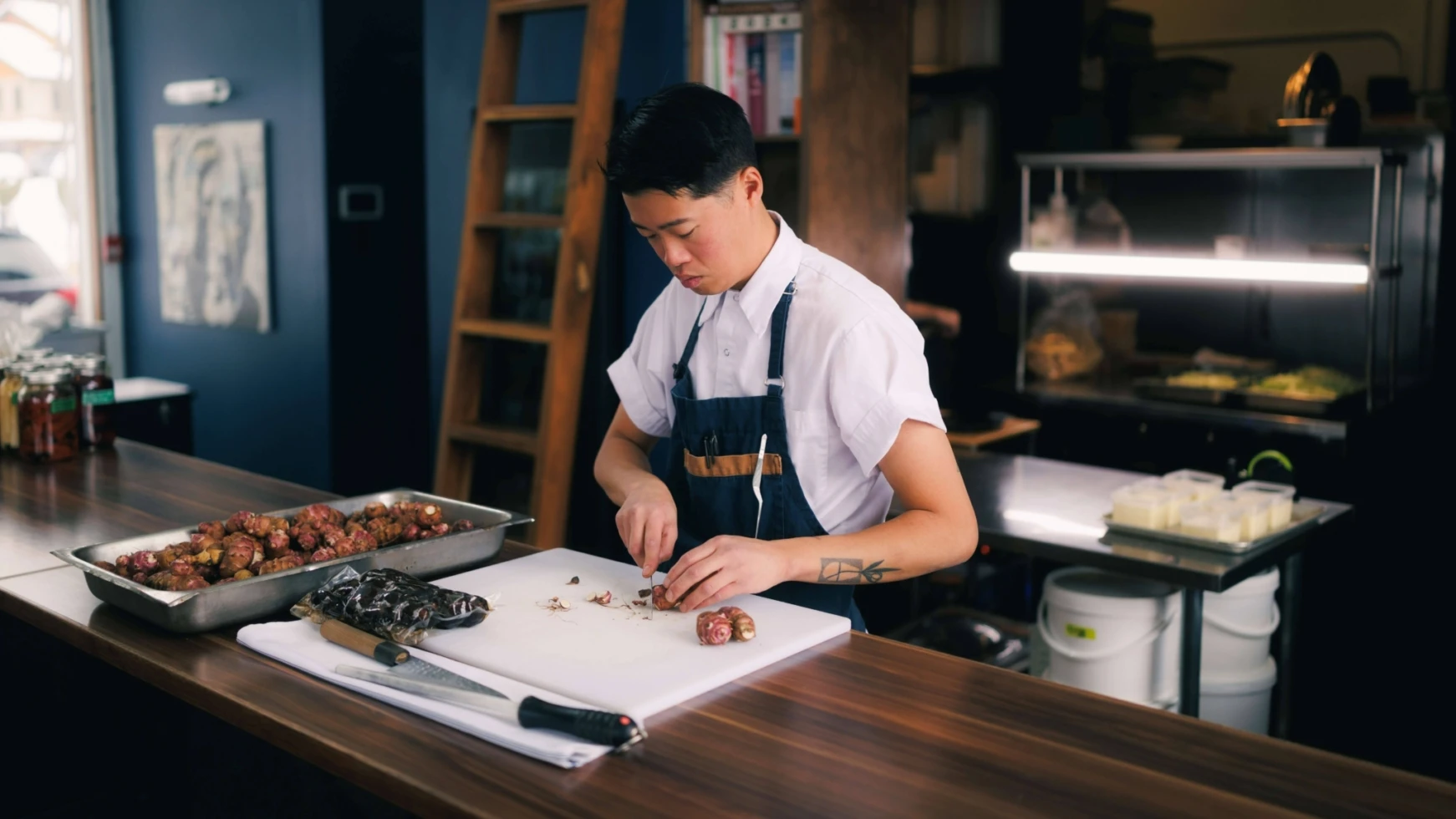
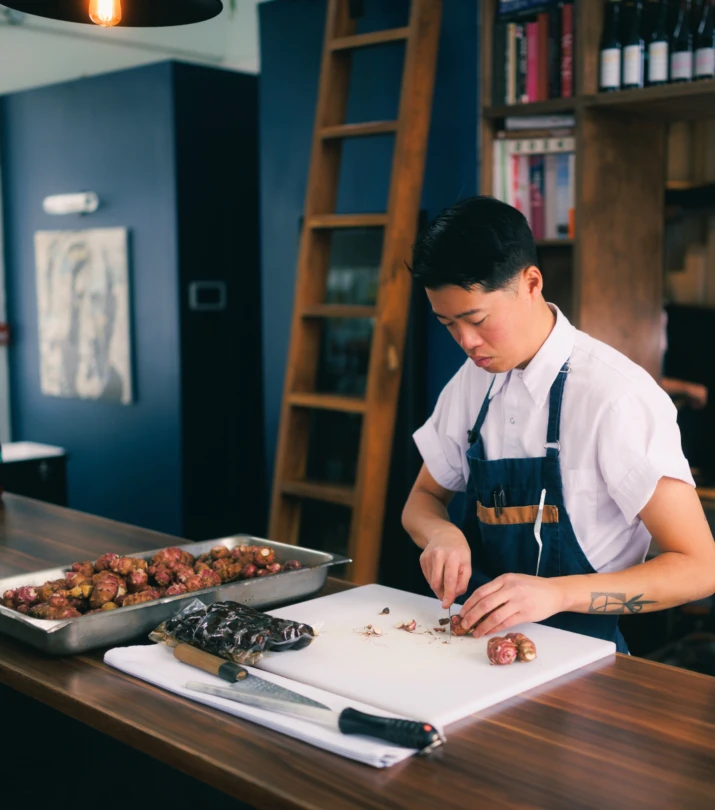
Baumier, a finalist for the 2025 Prix restaurateur Aliments du Québec au menu, explores flavor with both boldness and finesse. Under the direction of Chef Samuel Boyer, the kitchen becomes a true laboratory of taste, where local ingredients are handled with precision, patience, and curiosity. While black garlic is gaining popularity in Quebec for its notes reminiscent of balsamic, fig, or miso, few realize that this transformation can be applied to other foods. Among the chef’s most fascinating experiments is the black Jerusalem artichoke.

A Vegetable of Many Facets

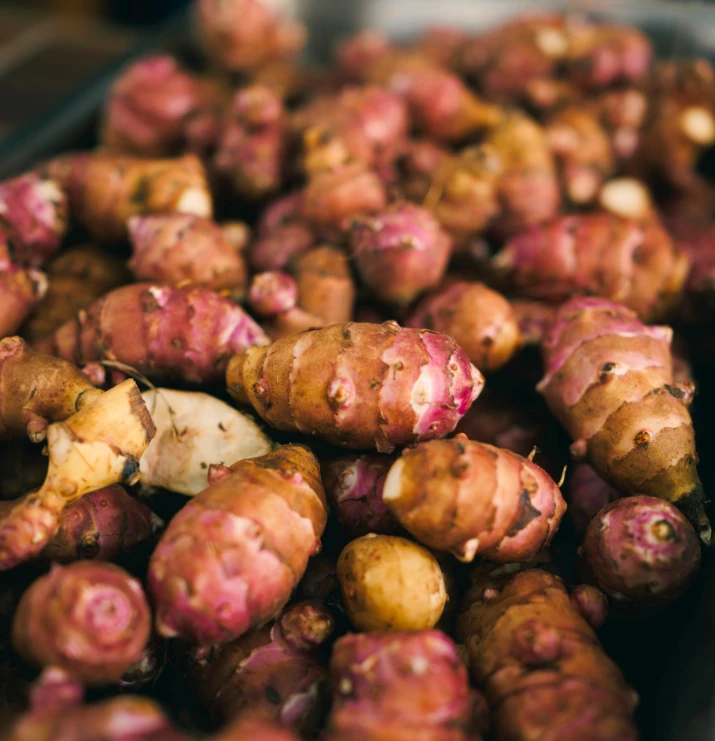
Also known as “sunchoke,” the Jerusalem artichoke is a root vegetable grown in Quebec from late October to late December. Don’t be fooled by its ginger-like appearance: its flesh is sweet and tender, with hints of artichoke and a subtle touch of hazelnut. Raw, it stays crisp; cooked, it becomes meltingly soft, similar to a potato. This delicate profile makes it an ideal ingredient for culinary experimentation.

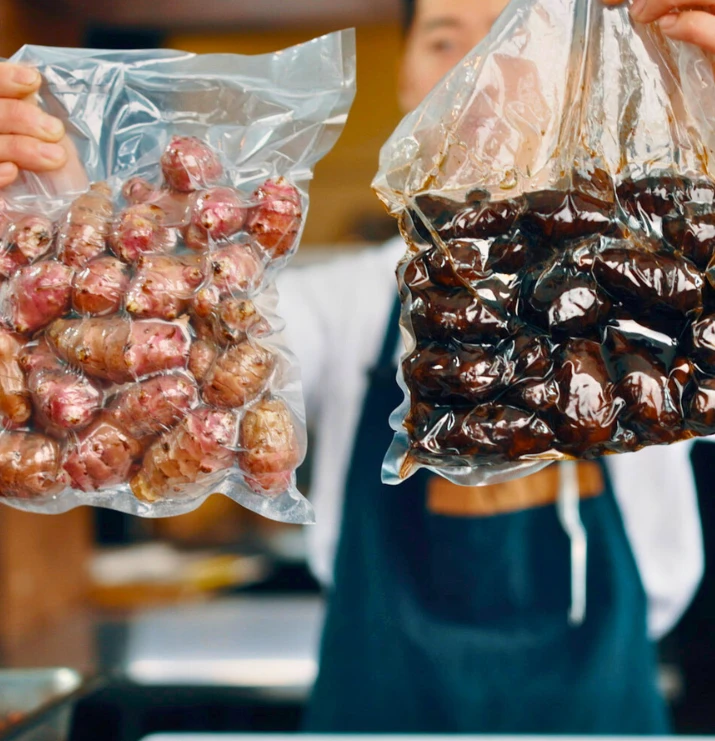
When transformed into black Jerusalem artichoke, the vegetable takes on a completely new character. It becomes dense and silky, developing new flavors with pronounced umami and acidity. At Baumier, the team is particularly drawn to its slightly bitter-sweet notes. “We love this subtle edge you find in chocolate or coffee. That’s why we often use black Jerusalem artichoke in desserts, a bit like a tiramisu—but without coffee or chocolate,” explains the chef.
Inspirations Baumier topinambour noir 715x810 2

The Baumier Technique

“Blackening involves caramelizing the sugars in a food at low temperature, in a humid environment, over an extended period. It’s a form of heat aging,” explains Samuel Boyer. This transformation relies on the Maillard reaction, the chemical process responsible for browning and developing complex flavors when a food is heated.

To create black Jerusalem artichoke, the process demands precision and patience. “We start by carefully cleaning the sunchokes, then sealing them in a vacuum bag to remove the air,” says Samuel. Without a vacuum machine, they can also be wrapped in plastic wrap and aluminum foil. The package is then placed in a slow cooker set to the “keep warm” function for two weeks. The appliance must remain perfectly sealed to retain maximum humidity, which is essential for the transformation.

After two weeks, the flesh darkens, the texture changes, and an unexpected depth of flavor emerges. The wait is well worth it: the transformed sunchoke enhances dishes with finesse, without ever overpowering them.

Inspirations Baumier topinambour noir 715x810 1
  • AQM R Derriere Le Menu Baumier Topinambour Noir DK0 A9618 LR3 16x9

Watch Chef Samuel Boyer demonstrate his technique for making black Jerusalem artichoke in this video from our web series “Derrière le menu” (Behind the Menu). In French only.