Published on November 20, 2025
Greenhouse Vegetables: Discoveries and Fascinating Facts
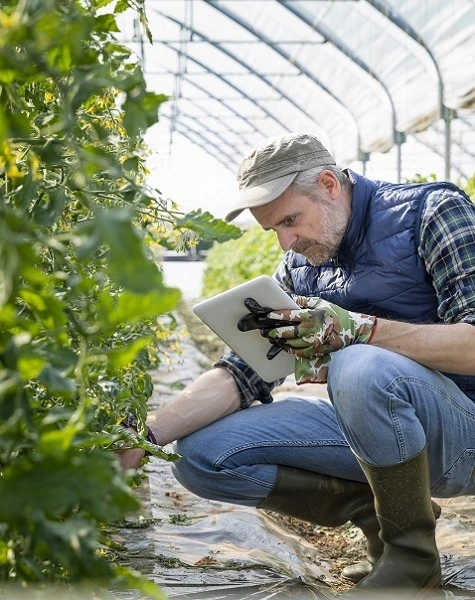
Growing lettuce, tomatoes, strawberries, herbs, or even peppers in the middle of January at -30 degrees—is that possible? Absolutely, thanks to the many greenhouse producers in Québec. In addition to being the plant production method with the highest yield per cultivated area, greenhouse growing is a major asset for a territory like ours, which must adapt to seasonal whims. As Gilles Vigneault so famously said: “My country is winter.”
Even though we live with snow and cold for almost six months of the year (ok, let’s say five when Mother Nature has mercy on us), that doesn’t stop us from enjoying fresh fruits and vegetables grown on our land. And because we know you love fun facts as much as we do, we’ve uncovered a few fascinating discoveries about greenhouse growing. Ready or not, here we go!
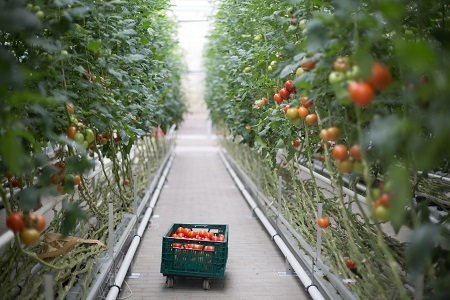
Tomatoes: A medium-sized red tomato contains only 22 calories and provides 25% of our daily vitamin C needs.
Did you know that tomatoes should not be stored in the refrigerator? While it’s not uncommon to find a container of cherry tomatoes sitting in many Quebec households’ fridges, savvy food lovers know that this juicy red fruit is best stored at room temperature. Try it yourself—you’ll notice the flavor is richer and the texture softer!
Winter or summer, you can easily find cluster tomatoes, beefsteaks, cocktail tomatoes, Italian varieties, pink tomatoes, and of course, our favorites: cherry tomatoes. How is it possible to offer such a wide variety? We warmly thank growth-lighting technology, which takes over from sunlight during the cold season.
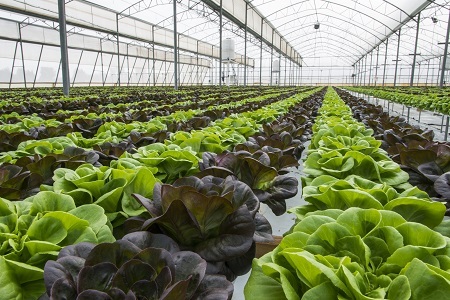
Lettuce: The darker the green, the higher the vitamin and mineral content.
Take lamb’s lettuce, for example. This small green leaf contains four times more iron and eleven times more vitamin A than iceberg lettuce. Here, the saying “good things come in small packages” couldn’t be more true! Another interesting fact: lettuce can be frozen. Surprising, right? Before sending it into the depths of your freezer for up to six months, you must blanch it, then purée it. This purée is absolutely delicious in soups, cream soups, and sauces!
That said, back to our greenhouse-grown greens. What varieties are available year-round? Just like tomatoes, the options are impressive: Boston lettuce, oak leaf, watercress, curly leaf lettuce—there’s no shortage of choices! Greenhouse lettuce production is extremely stable and sustainable, offering 16 to 18 harvests per year. So why go without?
Herbs: On average, greenhouse-grown herb plants reach grocery store shelves in just 24 hours.
Now that’s fresh! Once your basil plant joins the family home, how do you keep it in good shape? Rumor has it that herbs adore natural light but absolutely hate both their packaging and the cold. So be careful near windows in winter! Like their cousin lettuce, herbs can be frozen easily—chop the leaves, add a bit of oil, and freeze the mixture in an ice cube tray. Boom, done!
Bonus: A few fun facts about your other favorite greenhouse-grown fruits and vegetables:
- The pepper is a fruit! Just like its best friend the tomato, peppers grow from a flowering plant.
- Winter strawberry production allows for daily harvests from November to June.
- Cucumbers are 95% water, making them incredibly refreshing and very low in calories.
- Yellow, red, and orange peppers are actually three different varieties. Note that they all go through a green stage!
As we can see, greenhouse-grown fruits and vegetables have more than one trick up their sleeves. Now, the question is: how do you find greenhouse producers near you? No worries—the Mangeons Local tool created by the UPA will give you a hand. Discover Québec-grown products and locate your local producer right here!