Published on November 20, 2025
Fishing in Quebec: a vital sector under pressure
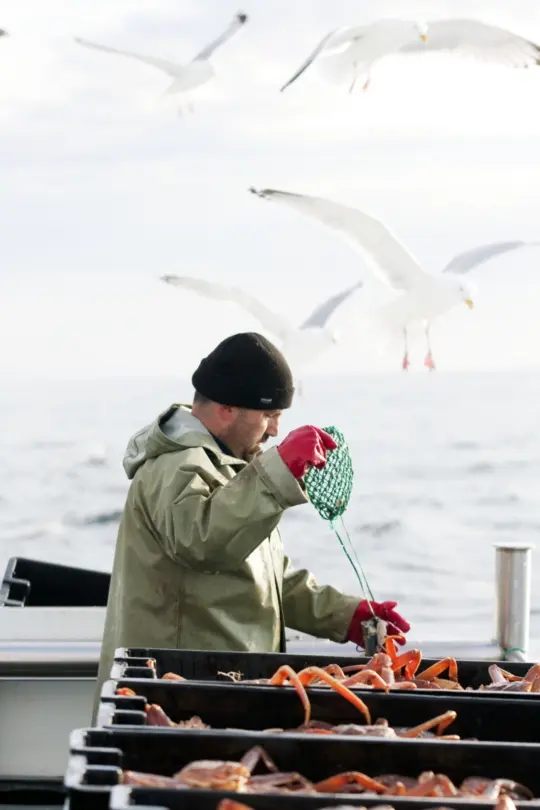
The fishing industry in Quebec is essential for several regions, including Gaspésie, the Îles-de-la-Madeleine, the Côte-Nord and the Bas-Saint-Laurent. In 2025, it faces a new climatic, economic and social reality.
The major challenges facing the fishing industry
Unsurprisingly, climate change has a direct impact on marine biomass. Warmer water, for example, harms many species—affecting both their reproductive cycles and survival rates. This is particularly true for northern shrimp, which thrive in cold waters.
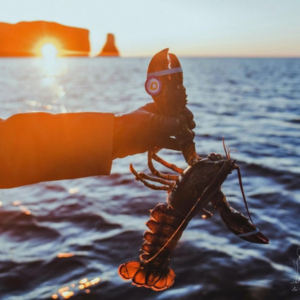
Shifts in fish stocks are another consequence of this ecological imbalance. For now, local lobster populations are benefiting. The waters off Maine have become too warm to sustain their usual lobster stocks. Contrary to popular belief, the lobster isn’t “migrating” into the St. Lawrence; instead, local populations are simply thriving better in our cooler waters. But with temperatures rising quickly, this moment of advantage may not last long.
Another major challenge is Quebec’s dependence on foreign markets. Roughly 80% of what we catch is exported to the United States and Asia, where buyers are willing to pay premium prices for our high-quality species.
Given the current situation with the U.S. and economic tensions with China—including a 25% tariff on lobster—dockside prices have dropped. Many consumers celebrate when lobster goes “on special” at the grocery store, but for fishers, it’s far from good news.
A lack of labour also puts significant pressure on the sector, both in fishing itself and in seafood processing. When an industry is uncertain—or perceived as being at risk—and located in remote areas, attracting skilled workers becomes much more difficult.
Choosing local at the fish counter
The challenges are real and numerous, but the solutions are within reach. As consumers, we can support responsible, local fishing simply by discovering and cooking Quebec species more often.

While lobster and snow crab dominate the local market, many other species could enrich our plates. Redfish, for example—under moratorium from 1995 to 2024—is a delicate white fish, versatile in the kitchen, affordable, and supported by a healthy biomass. Plenty of good reasons to add it to our menus more often.
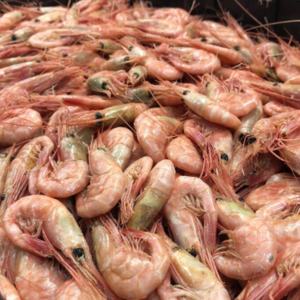
As for northern shrimp, their presence in the St. Lawrence has declined due to warming waters and because redfish feed partly on baby shrimp. Shrimp quotas reflect biomass levels, so when northern shrimp are available on the market, there’s no reason to avoid buying them.
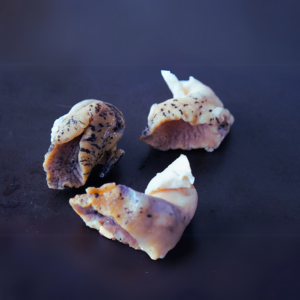
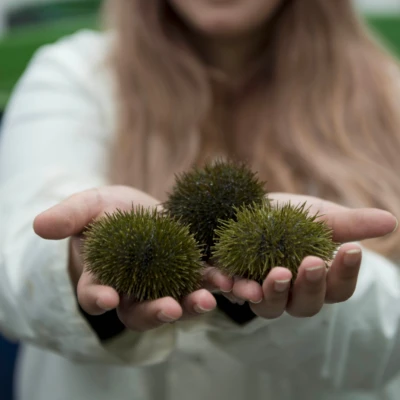
Several mollusks also deserve more attention: whelk (also known as sea snail) and Stimpson’s surf clams, for example. Seaweed, too, is increasingly part of our diets—whether in sushi, salads or even snacks.
Furthermore, Quebec’s fishing regulations—such as setting quotas based on available biomass and requiring sustainable fishing methods—help protect the biodiversity and precious ecosystems of the St. Lawrence. Tracking the origins of imported products, on the other hand, is often much more difficult.
The Fourchette bleue eco-guide—created by Exploramer, a museum dedicated to the preservation and understanding of the St. Lawrence marine environment—is published annually based on the state of each species' biomass and is a great source of inspiration for opening up our culinary horizons.
At the fish counter, you can look for the Aliments du Québec logo to ensure the origin of the products you put in your basket. You can also ask your fishmonger to stock more local species. By creating demand, we help diversify supply.
We also love seeing Quebec fish and seafood on the menus of schools, hospitals and other institutions across the province. Together, we can make a real difference by supporting local businesses and coastal communities and contributing to the health of our fishing industry.
To learn more about the history, challenges and alternatives to commercial fishing in Quebec, listen to the Mange ton Saint-Laurent podcast!
Cover photo: Éric Labonté, MAPAQ.