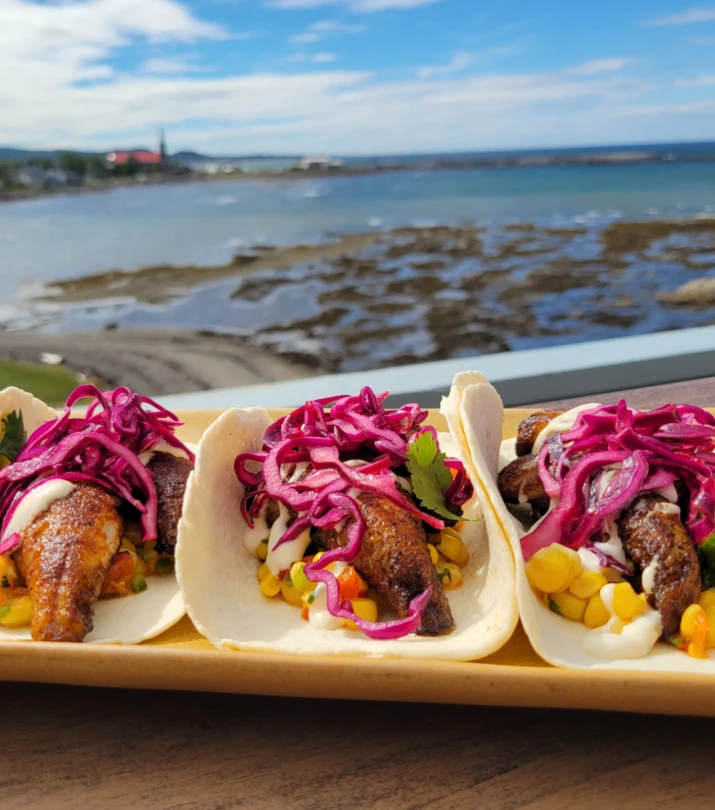
Tacos poissons

Published on April 15, 2024

Fish and seafood from Quebec: the best seasons to enjoy them

Good to know

Quebec’s marine pantry is vast, offering an impressive variety of high-quality fish and seafood. From the Côte-Nord to the Bas-Saint-Laurent, the Gaspésie and the Îles-de-la-Madeleine, delicious catches arrive throughout the fishing seasons.

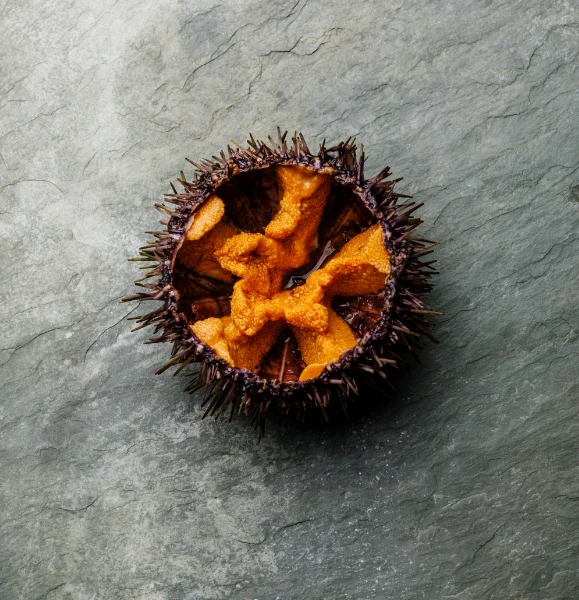
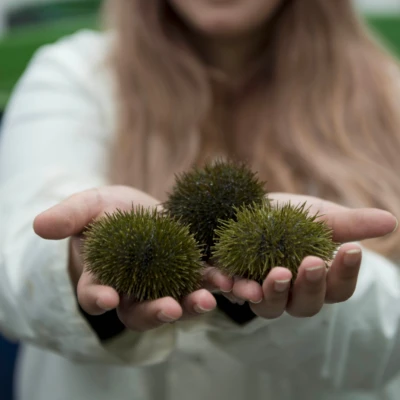
Green sea urchins

As soon as the ice melts, fishing seasons open in waves. Green sea urchins kick things off early in the spring. Their gonads — the prized orange part — are plumper in cold water, but harvesters must also be able to safely reach the sea to collect them, meaning the ice must have cleared. Once the water warms approaching summer, the gonads shrink. You’ll have to wait until fall to see sea urchins return to fishmongers’ counters.

Oursin vert

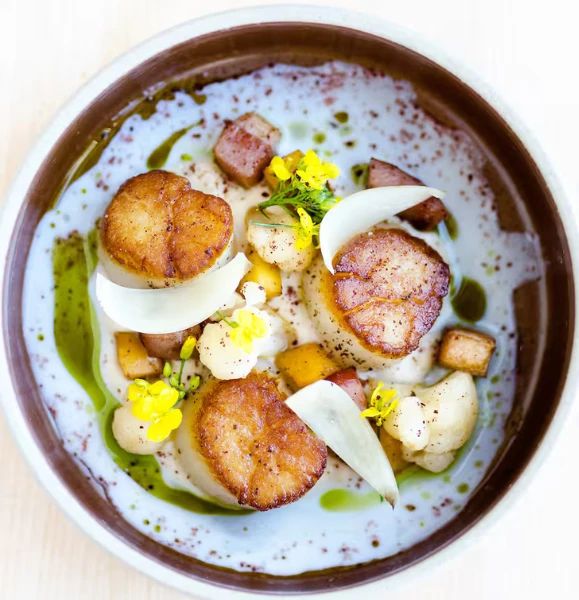
Scallops

Scallops follow close behind, with their season starting in March. Depending on the fishing zone, they’re available until November (though quotas are usually reached long before). Mostly harvested off the shores of the Îles-de-la-Madeleine, they are frozen immediately to preserve freshness — which means they can be enjoyed year-round, both the muscle and the coral.

Assiette gastronomique petoncle

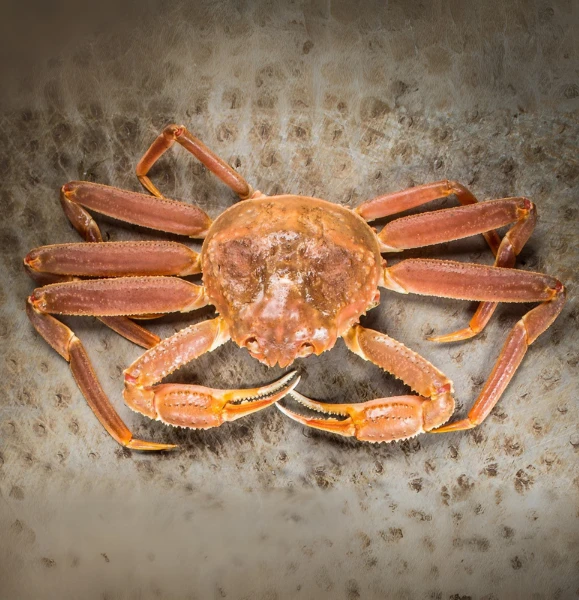
Snow crab

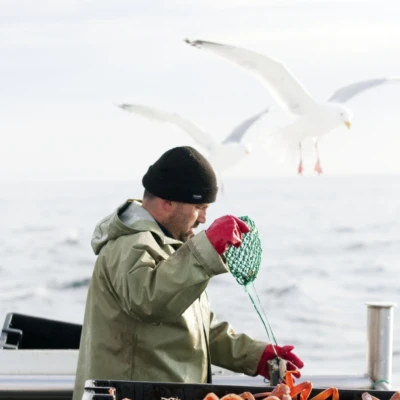
Next comes snow crab season, one of the most delicious signs that warmer days are returning. It’s harvested exclusively from March to the end of May. Before that, the crab isn’t considered meaty enough; afterward, in the warmest months of the year, crabs begin to molt. During this time, they shed their shells to grow, making them vulnerable and difficult to catch.

Crabe des neiges

Northern shrimp

Northern shrimp follow snow crab closely. Their season begins around the same time, but continues until the end of October. Early in the season, they can be found fresh — with or without shells — but they are mainly sold frozen year-round.

Mousse de crevettes nordiques

Lobster

Lobster typically arrives at the docks in May. Fishers wait for the water to warm slightly, partly so the crustacean is active enough to walk into their traps. Its season lasts ten weeks, usually extending until mid-July.

Macaroni au fromage homard

Halibut

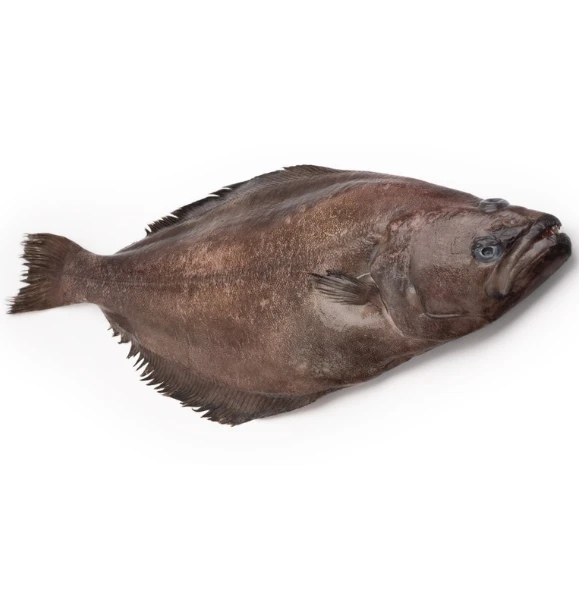
Next is the groundfish season, including Atlantic halibut, Greenland halibut (turbot), and redfish.

Greenland halibut, commonly called turbot, is a small flatfish similar to sole. Usually harvested from May to October, it is highly appreciated and widely exported. Right now, however, the resource is scarce in the St. Lawrence.

Atlantic halibut, despite sharing its name, is a completely different species. It is enormous, easily reaching 2.5 metres in length. The average fish weighs around 50 kg but can grow up to 300 kg. Its biomass in the St. Lawrence is healthy. It’s fished in June, July, and August. Less exported, it’s easy to find in local fish markets and restaurants — great news for seafood lovers, because it’s delicious.

Fletan

Redfish

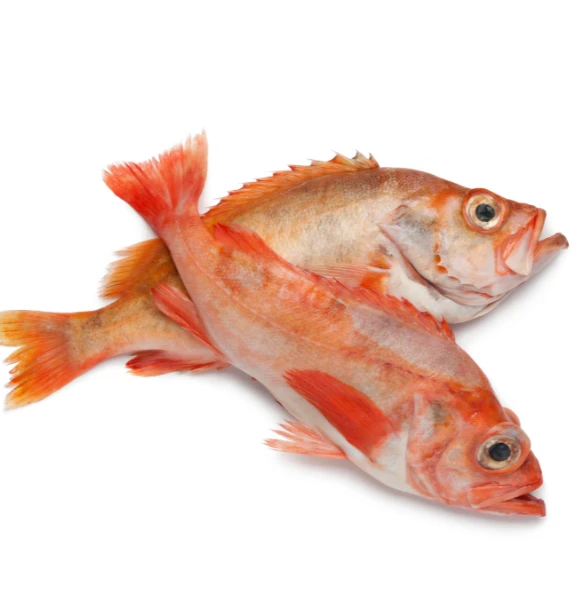
Redfish is mostly harvested from June to December. Supply remains modest even though its biomass is in good condition. After being under a moratorium for nearly 30 years — from 1995 until last year — demand in Quebec hasn’t yet grown enough to make this fishery highly attractive for harvesters. Time for us to help change that! With its tasty white flesh and competitive price, redfish has everything to please.

Sebaste

Seaweed

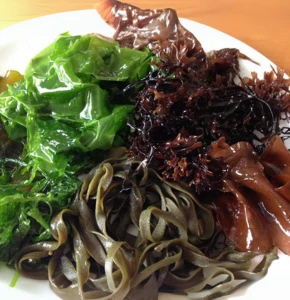
Another marine product that deserves far more attention is seaweed. Hand-harvested by skilled divers, seaweed is versatile, nutritious, and appreciated in many Asian cuisines. We’re lucky to have it fresh from the St. Lawrence — so close and so flavourful. Sold dried or processed, it’s easy to incorporate into many dishes, just like herbs.

Assiette algues

Available year-round

Beyond these seasonal varieties, blue mussels, oysters, Stimpson’s surf clams, Atlantic surf clams, whelks (also called bulots), and aquaculture species such as Arctic char and rainbow trout are available throughout the year — a delight for locavores. Many of these products are also sold frozen, canned, or brined, making them easy to include in countless recipes.

Choosing local fish and seafood means choosing freshness and quality with an international reputation — while also supporting the economies of coastal regions and contributing to marine ecosystem preservation.

Just like fruits and vegetables, following Quebec’s fishing seasons helps you enjoy fish and seafood at their very best. Don’t hesitate to ask your fishmonger to recommend local options, or look for the Aliments du Québec logo to ensure their origin.

A big thank-you to Catherine Lefebvre and Sandra Gauthier from Exploramer for their generous collaboration and expertise.

Cover photo: Antoine Côté, Auberge La Montagne