Published on November 20, 2025
Rediscover Veau du Québec
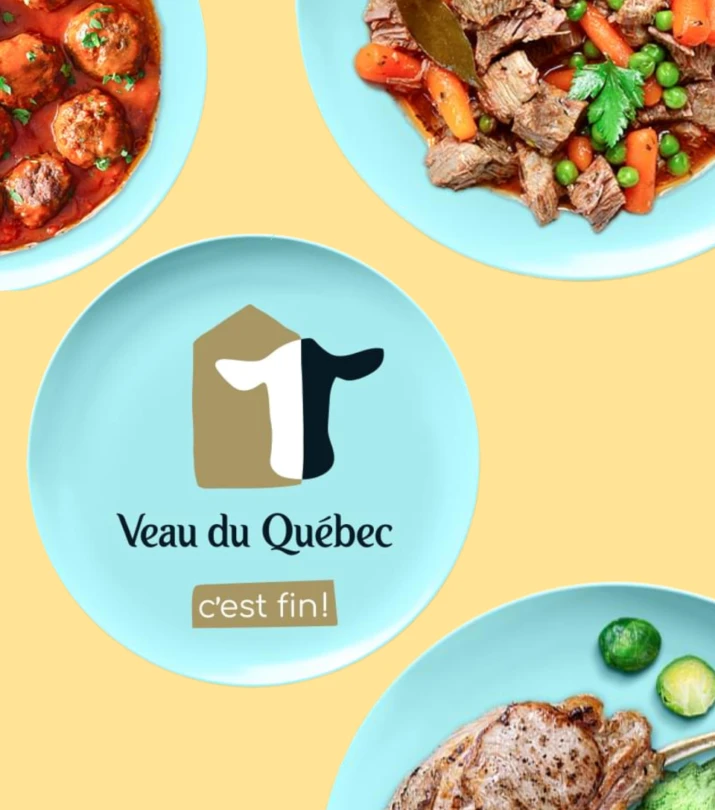
Last July, Quebec veal producers launched the new Veau de grain du Québec and Veau de lait du Québec logos, and also joined forces to promote their products under a single brand image: Veau du Québec.
The goal: to promote a superior-quality food that truly stands out with consumers. Keep an eye out—you might spot these logos on meat trays and in your grocer’s displays across the province!
Exceptional delicacy for both small and big occasions
What sets Quebec Veal apart from other local meats, you ask? Its finesse, quite simply. This premium meat is often seen as something reserved for special occasions. But think again—veal is incredibly versatile and easy to prepare! Whether it’s for a Sunday dinner or a Wednesday lunch, the twenty or so available cuts can adapt to any recipe, any day of the week.
Need inspiration? No problem—here are a few suggestions:
- Lean ground veal: chili, hamburgers, pizza toppings, pasta sauces, tacos—just to name a few.
- Veal strips: fajitas, pasta casseroles, vegetable stir-fries, hearty salads, etc.
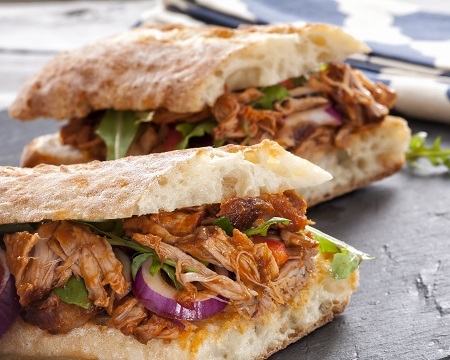
- Leftover veal roast: treat yourself to a gourmet sandwich with your choice of toppings!
5 practical tips for perfect cooking
Because you can never have too many tips and tricks when cooking Quebec Veal, we felt generous and wanted to share these with you:
1. Let cooked veal rest for a few minutes
Right out of the oven, it’s essential to cover your veal with aluminum foil and let it rest a few minutes before slicing. This allows the natural juices to redistribute throughout the meat.
2. Handle the meat with tongs
To ensure juicy veal, it’s recommended to use tongs. Piercing the meat with a fork creates small openings that let the cooking juices escape—definitely something we want to avoid! A good pair of tongs does the trick.
3. Salt the veal only at the end of cooking
It’s best not to salt sautéed or grilled meats before cooking, as salt can draw out the juices and dry out the meat—and we definitely don’t want that! However, for very thick cuts requiring long cooking times or marination, you should salt them beforehand and sear immediately to prevent the salt from drawing out too much moisture. Whatever the cooking method, salt is essential for giving that perfect little kick!
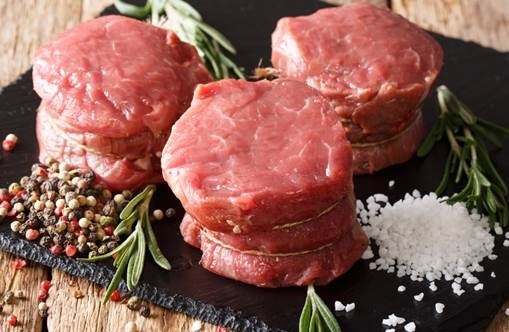
4. Thaw veal before cooking
For even cooking, proper thawing is key. Before putting it in the oven, make sure the veal is evenly thawed. If you’re in a hurry, cold water is your best friend to speed things up.
5. Don’t overcook
Forget about those extra 2 minutes. We like our veal pink. Many of us tend to overcook meat out of fear it will be underdone. Of course, with certain meats like chicken, a pink color is a definite no-go. But with veal, don’t worry! Note, however, that pink doneness applies only to tender cuts—ground veal must be fully cooked.
For even more tips and tricks about Veau du Québec, visit Veaudegrain.com and Veaudelait.com.
Promise—it’s veal-y worth it!