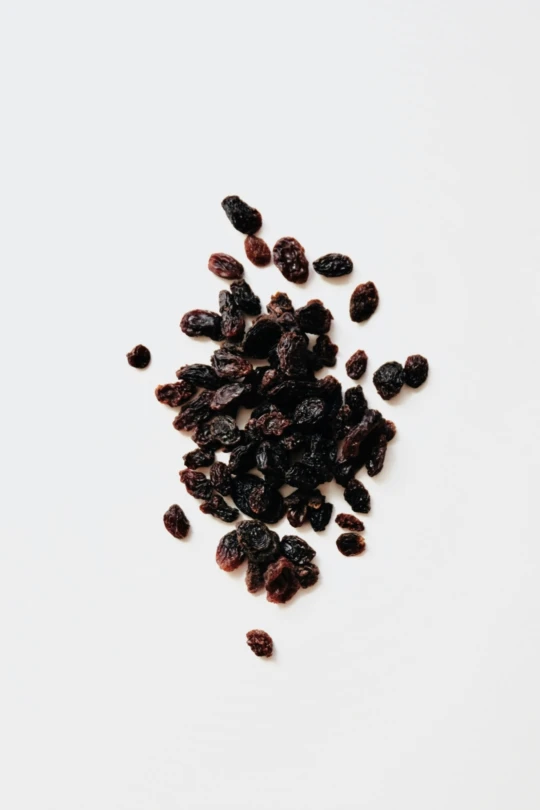
Published on November 20, 2025
Why we should eat more dried fruits
Whether you want a boost of energy during an outdoor adventure or a healthy snack at home, dried fruits are a smart, functional choice.
Practical Advantages
Dried fruits are dehydrated so that only 15–30% of their original water remains. This makes them much easier to transport and store — ideal when packing a bag for a hike or a trip. At home, they’re super versatile: add them to your breakfast cereal, toss them into muffin batter, or sprinkle them in a summer salad.
Nutritional Benefits
Essentially, a dried fruit is the same fruit — just dehydrated. Because water is removed, for the same weight, dried fruits offer 3 to 5 times more nutrients and carbohydrates than their fresh counterparts. In other words: little bites of energy.
That said — watch the sugar. Dried fruits can be high in carbs, so moderation is key. Some varieties (like cranberries, strawberries, etc.) may even have added sugar to enhance flavour or extend shelf life.
Besides carbs, dried fruits are high in potassium — why they’re often recommended for physical activity. Potassium helps hydrate your body’s cells and supports proper muscle function.
From Québec
In Québec, popular local dried fruits include blueberries and cranberries, as well as Nordic berries such as haskap. Apples and ground cherries are also found. There are also many dried fruit and nut mixes, made as well from imported fruits (dates, mangoes, etc.).
Storage Tip
To keep your dried fruits soft and fresh longer: store them in a sealed bag or airtight container — ideally in the fridge. This way, they stay tender and ready for snacking.