Published on November 20, 2025
The Jerusalem artichoke, a winter vegetable to rediscover!
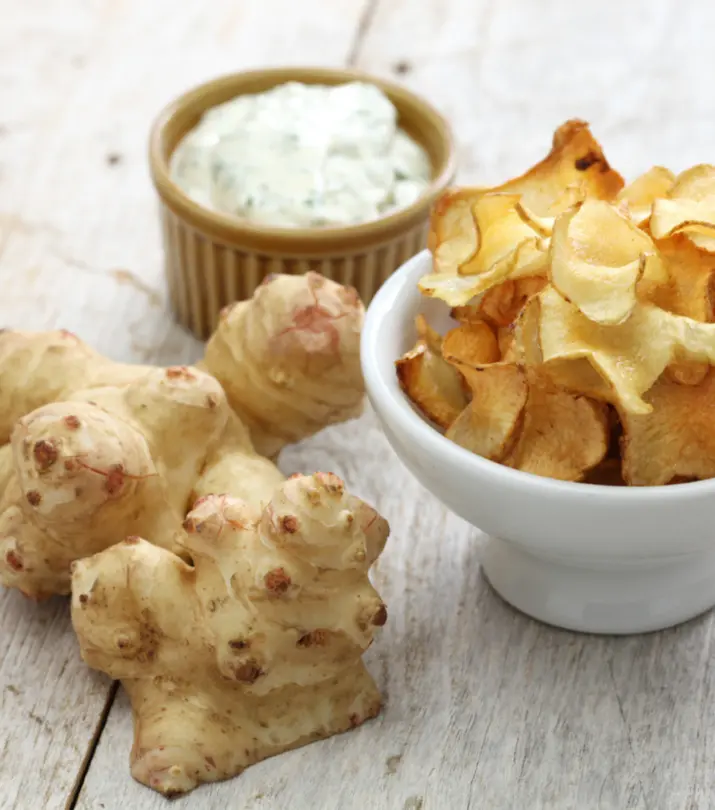
Also known as the Jerusalem artichoke or sunchoke, the topinambour is a true winter vegetable. Don’t be fooled by its ginger-like appearance—its flesh is slightly sweet and tastes surprisingly similar to artichoke.
A bit of history…
The Jerusalem artichoke was first discovered and cultivated by Indigenous peoples in North America, long before it was exported to Europe. Europeans consumed it widely during wartime, as it grows easily in almost any temperature—even under snow!
Is its association with those difficult times the reason this hardy vegetable later disappeared from our plates? History doesn’t say. One thing is certain: it deserves a comeback!
How to cook Jerusalem artichoke:
You can prepare Jerusalem artichokes the same way you would potatoes. Serve them in a gratin seasoned with garlic and chives—they pair beautifully with poultry and white meats.
Sauté them simply in butter, or more generously in duck fat with cream and bacon. You can even add them to your purées by mixing them with potatoes.
Unlike potatoes, Jerusalem artichokes can also be eaten raw. Add thin slices to arugula or lamb’s lettuce salads, and drizzle with a bit of lemon juice to prevent discoloration.
Where to find it?
Jerusalem artichokes are grown right here in Quebec! You can find them at markets or directly from local producers, and they’re available all winter long. That said, since the vegetable is still relatively unknown, it may not be available in every grocery store—don’t hesitate to ask your grocer.
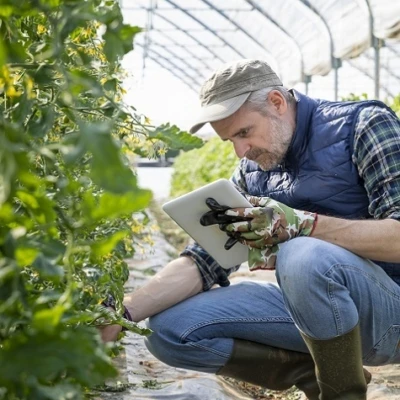
For gardening enthusiasts, Jerusalem artichokes are known for being extremely easy to grow, thriving in all soil types. Just make sure you have enough space to dedicate to them, as their pretty yellow flowers tend to spread year after year.