Published on July 1, 2024
Sea Buckthorn: The Shrub With a Thousand Virtues
Hippophae what? Hippophae rhamnoides.
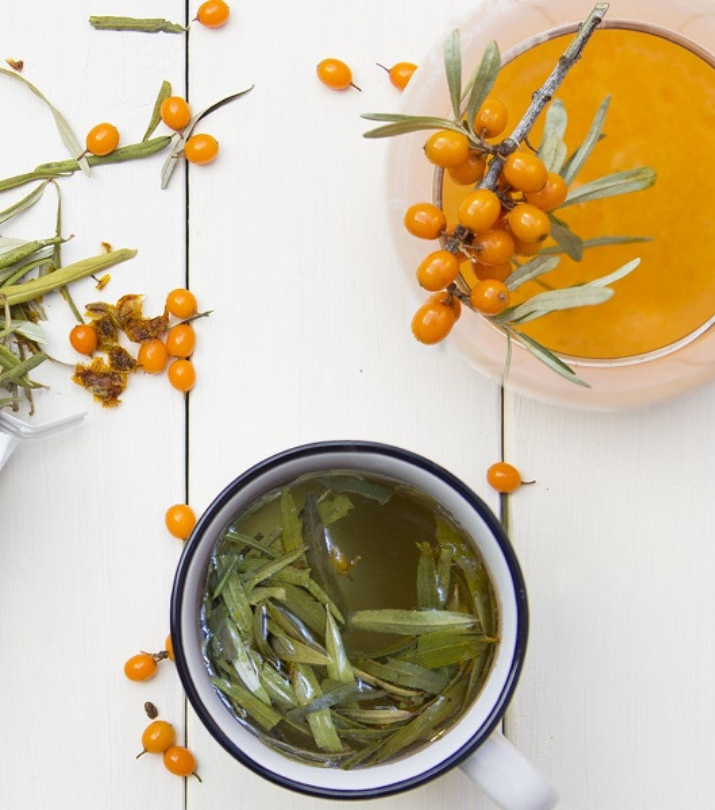
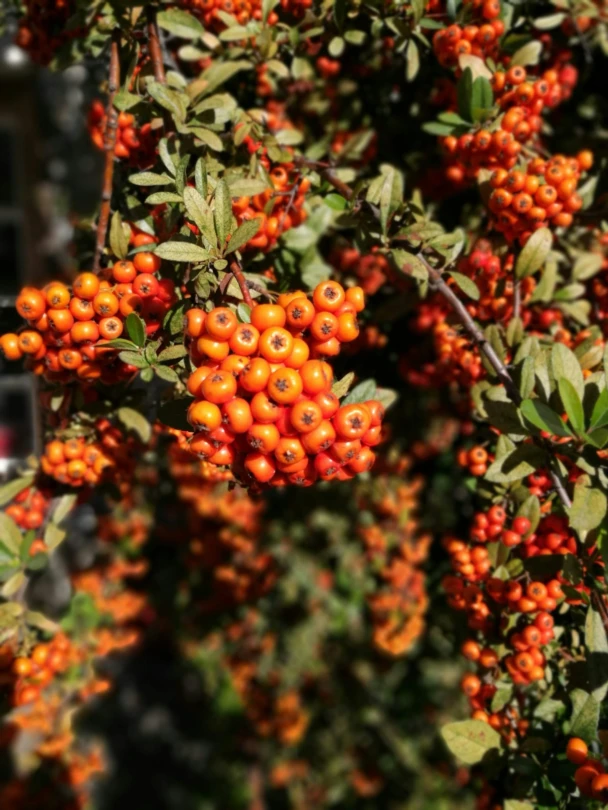
Commonly known as sea buckthorn, this hardy shrub producing bright orange berries may well be Québec’s next hidden treasure. Turns out gold really does grow on trees! Now that you’ve learned a new word for your next Scrabble game, let’s demystify sea buckthorn.
Sea Buckthorn in Québec
In Québec, sea buckthorn is surprisingly common: you’ll often spot it along roadsides or used as a windbreak hedge. There’s even a good chance you have one in your backyard without realizing it.
The berries only become edible after three growing seasons, and what makes the plant even more fascinating is that it reaches full maturity around its seventh or eighth year. In other words, once a sea buckthorn orchard is established, it can produce berries for roughly thirty years. Now that’s what we call a profitable ornamental shrub.
Virtuous and Delicious
Sea buckthorn berries are valued both for their medicinal benefits and their unique flavour. Fun fact: at the Seoul Olympic Games, Chinese athletes had sea buckthorn juice as their official drink! In Asia, the berry is extremely popular and used in a wide range of food and medicinal products.
In Europe and North America — including Québec — the fruit, leaves, and bark are often processed into jellies, jams, juices, oils, and even cosmetics. In short, sea buckthorn offers a world of benefits: it nourishes, hydrates, and heals.
Nutritious and Packed With Vitamins
We’ve long associated vitamin C with oranges, but it turns out they don’t even come close to winning first place. That honour goes to the sea buckthorn berry. On average, 100 g of berries contain around 600 mg of vitamin C — that’s 30 times more than an orange. Let’s just say the orange may need to step aside for this one!