Published on August 10, 2025
Mead : A Journey into the Heart of a Legendary Drink
"The chefs gave us all sips of mead, for courage, so there would be no weakness, to stay tall and proud when we go into battle," sings the band Manau in their iconic song La Tribu de Dana. This captivating melody still resonates today, evoking the millennia-old origins of mead, one of the first alcoholic beverages ever consumed by humans.
The Nectar of the Gods
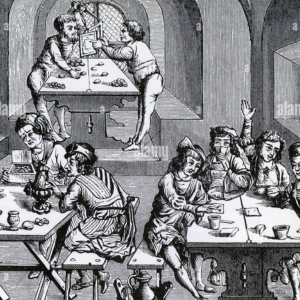
Known and cherished by the Greeks and Romans, mead spread to the Gauls, becoming the drink of the gods. Made from the fermentation of water and honey, this divine beverage captivated medieval religious communities and was commonly consumed throughout Europe until the 19th century. In Norse mythology, the Valkyries filled their horns with mead. The Greeks called it ambrosia or nectar, reserving it for the gods before Zeus eventually offered it to mortals.
A Close Connection with Popular Culture
Mead has left its mark on many works of popular culture, from Harry Potter to Game of Thrones, The Lord of the Rings, and the Asterix comics, where mead is one of the key ingredients in Panoramix’s famous magic potion. This widespread presence has contributed to the growing popularity of mead, especially among young adults.
Mead: Ancient Tradition, Modern Revival
With over 10,000 years of history, mead remains one of the oldest alcoholic beverages in the world. In North America, it had nearly vanished, but nods from fiction and the creative energy of modern producers have brought it back into the spotlight. Today, mead is enjoying a revival that is artisanal, contemporary, and environmentally conscious.
So, what does mead taste like?
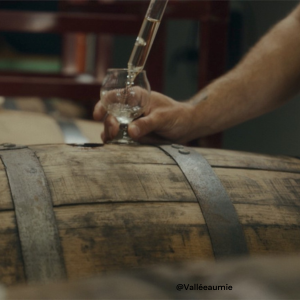
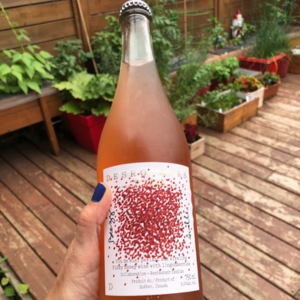
Depending on the type of honey used, the amount of water, the yeasts, the fermentation time, and any additional processing, meads come in an endless variety of styles. They can contain anywhere from 4 g to 300 g of sugar per liter and have an alcohol content ranging from 0% to 20%. Let’s bust a few myths: mead isn’t just for special occasions, and it isn’t always overly sweet. There are variations for every palate. Mead can be still or sparkling, traditional or flavored with fruits, herbs, flowers, spices, or even hops. Some are sweet and enjoyed as a digestif after a meal.
From the Bee to the Bottle: A Connection with the Terroir
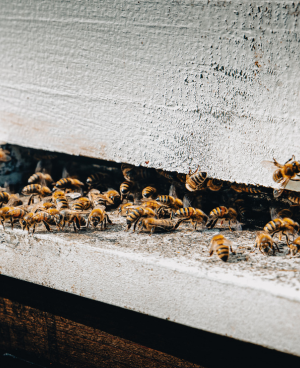
In Quebec, all meads are artisanal, regenerative, and hyper-local. Each beekeeper uses honey from their own hives, where bees forage within a radius of three to five kilometers. This gives each mead its distinctive flavors, reflecting the different flowers visited by the bees in each region. Drinking mead is like traveling across Quebec, discovering the subtle nuances of its diverse terroirs.
Catching the Mead Bug
The rising popularity of mead in the Quebec market is driven by producers who combine traditional know-how with modern techniques. Although still relatively rare on store shelves, its commercial potential is enormous—especially since only a quarter of Quebecers have ever tasted mead, even though 60% have heard of it. In many countries around the world, and even just south of the border, meads are everywhere, with sales increasing by 10% annually. In Quebec, the growth potential is simply huge.
This is an invitation to discover this drink with a thousand flavors. Quebec mead producers are passionate artisans, creating unique products that reflect the terroir where the bees have foraged. The bee is a noble insect, producing natural sugar while serving as a pollinator that helps preserve biodiversity. It’s high time we honor it.
Strength in Unity
A sign of the growing enthusiasm for mead, the Association of Quebec Mead and Honey Spirit Producers (APHAMQ) launched its very first Quebec Mead Week in 2023, with Aliments du Québec proudly collaborating. It’s safe to bet that this refined and flavorful local product will continue to be demystified—and, most importantly, enjoyed—more and more in the coming years!

Conclusion: Let Yourself Be Seduced
Finally, the most well-known reference to this millennia-old drink is undoubtedly the honeymoon, which originates from the mead traditionally consumed during the month following a wedding to ensure the fertility of the union. Today, mead—the nectar of the ancient gods—is making a strong comeback in modern society. With its wide range of flavors and deep roots in Quebec terroir, it is winning over more and more consumers.
So, let yourself be tempted by this flavorful adventure and discover the world of mead!
Photo credit: Miellerie King, Les Maximes