Published on February 13, 2024
Elementary Schools Embrace the Harvest
During the 5th edition of the annual Les institutions mangent local! event held last fall at the height of harvest season, Aliments du Québec au menu invited daycares, schools, cégeps, universities, hospitals, workplaces, and various organizations to celebrate local foods. Among the hundreds of participating institutions, many adopted exemplary practices to highlight Québec food products. Discover, throughout this five-article series, especially inspiring profiles.
This fourth article features three elementary schools.
Schools play an essential role in educating young people. Beyond academic subjects, many teachers raise awareness among students about the importance of eating local through enriching activities. École l’Eau Vive in Warwick, École Saint-Cœur-de-Marie in Rivière-à-Pierre, and École de la Passerelle in Québec City are three examples making strong efforts in this direction. It was therefore natural for these three elementary schools to join the Les institutions mangent local! movement during harvest season. Their shared desire to reconnect children with the source of their food led them to take on the “Harvest Challenge,” the second challenge launched by event spokesperson Emmanuel Bilodeau.
École l’Eau Vive (Centre-du-Québec)
Located in Warwick near Victoriaville, École l’Eau Vive is a public elementary school offering an enriched Waldorf-inspired program focused on developing students’ artistic sensitivity and social-emotional skills while respecting each child’s pace and individuality.
With this approach, cooking and local sourcing are already part of students’ daily lives. The school has established a partnership with Ferme des Possibles, a local farm supplying organic vegetables, as well as with Artha-récoltes, an organization fighting food waste in the fields. Les institutions mangent local! is therefore an excellent opportunity for the school to deepen its reflection on local food—it’s not their first time participating.
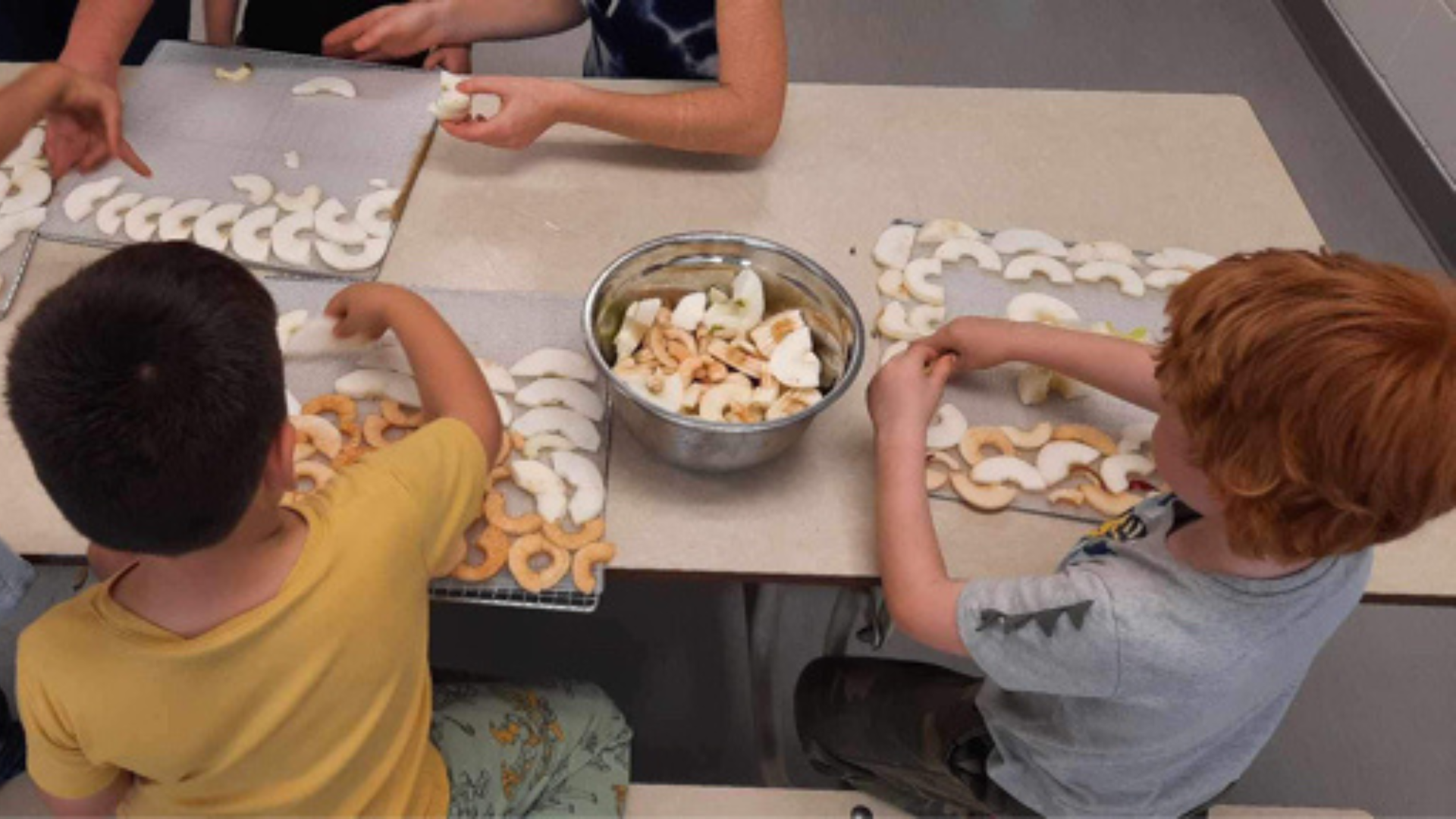
This year, the focus was on apples. Several students were invited to go apple picking at Verger des Horizons. They were delighted by the activity, which allowed them to connect with nature and discover how apples are grown. Their radiant faces and palpable enthusiasm reflect the positive impact of the experience on their learning and appreciation of local products.
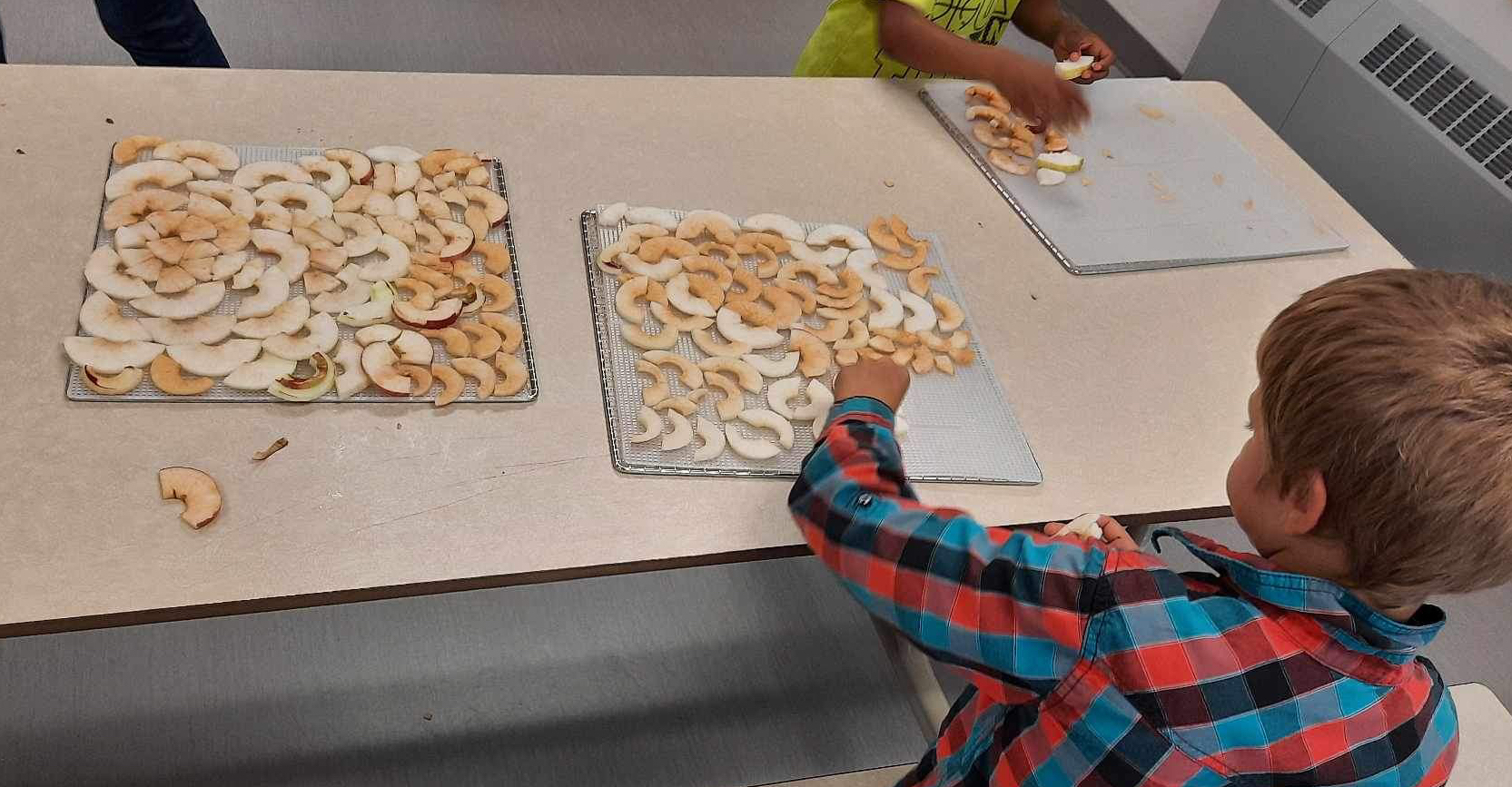
After the harvest, students transformed the apples in various ways: applesauce, crumble, dehydrated apple chips, and even fable characters made with local flour (such as a turtle-shaped bun with an apple shell). Third-grade students crafted apple roses—a delicate task that improved their dexterity while working with puff pastry.
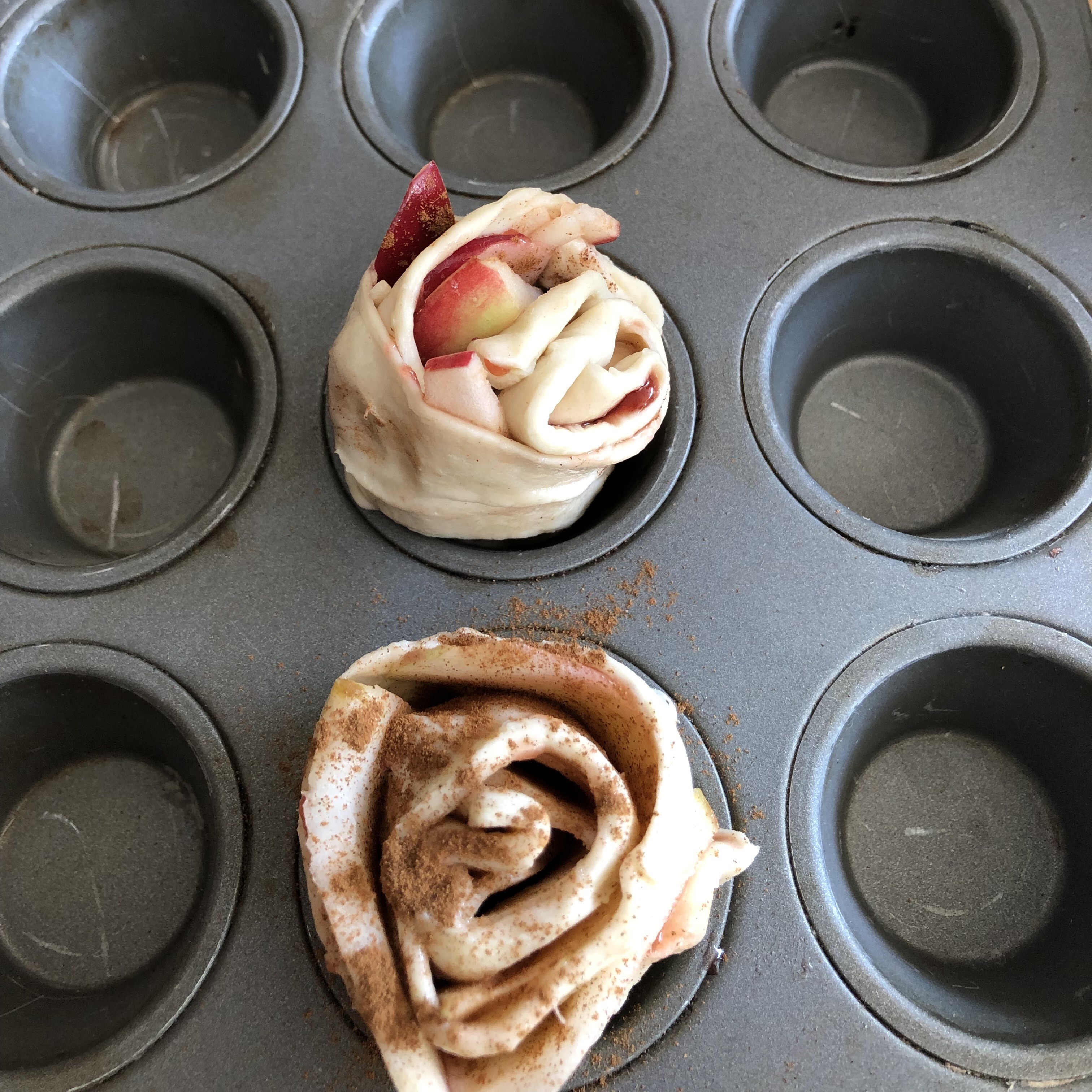
“Students really enjoyed the apple outing and love to cook! It helps them understand where food comes from, open up to different flavors and ways of working with ingredients, broaden their horizons, develop their senses, and value teamwork. The class was amazed by the apple roses,” shares Geneviève Brizard, teacher at École l’Eau Vive.
Project Funding by M361
Schools wishing to offer more healthy, fresh, and local foods year-round can receive financial support through the “Pour des aliments québécois dans nos écoles” call for projects led by M361. École l’Eau Vive is among the many primary and secondary schools previously selected to implement initiatives promoting local food. In addition to funding, selected schools receive support from the Institut de tourisme et d’hôtellerie du Québec (ITHQ) for project ideation, guidance from Équiterre for implementation, and free recognition from Aliments du Québec au menu.
“Supporting projects that promote local food sourcing and food literacy among youth is truly in our organization’s DNA,” says Véronique Gallant, project manager at M361. “Thanks to financial support from MAPAQ and the expertise of our partners, we have supported initiatives in 119 public primary and secondary schools through our 100° initiative, including École l’Eau Vive in Warwick. It’s a great pride to see these projects flourish across Québec!”
Until February 29, 2024, schools interested in the call for proposals are invited to submit their application to be part of the next cohort. Click here >>
École Saint-Cœur-de-Marie (Capitale-Nationale)
Do you know what gleaning is? It means collecting fruits and vegetables that would otherwise remain in the fields and potentially go to waste. École Saint-Cœur-de-Marie in Rivière-à-Pierre used the event to introduce this meaningful activity to its students.
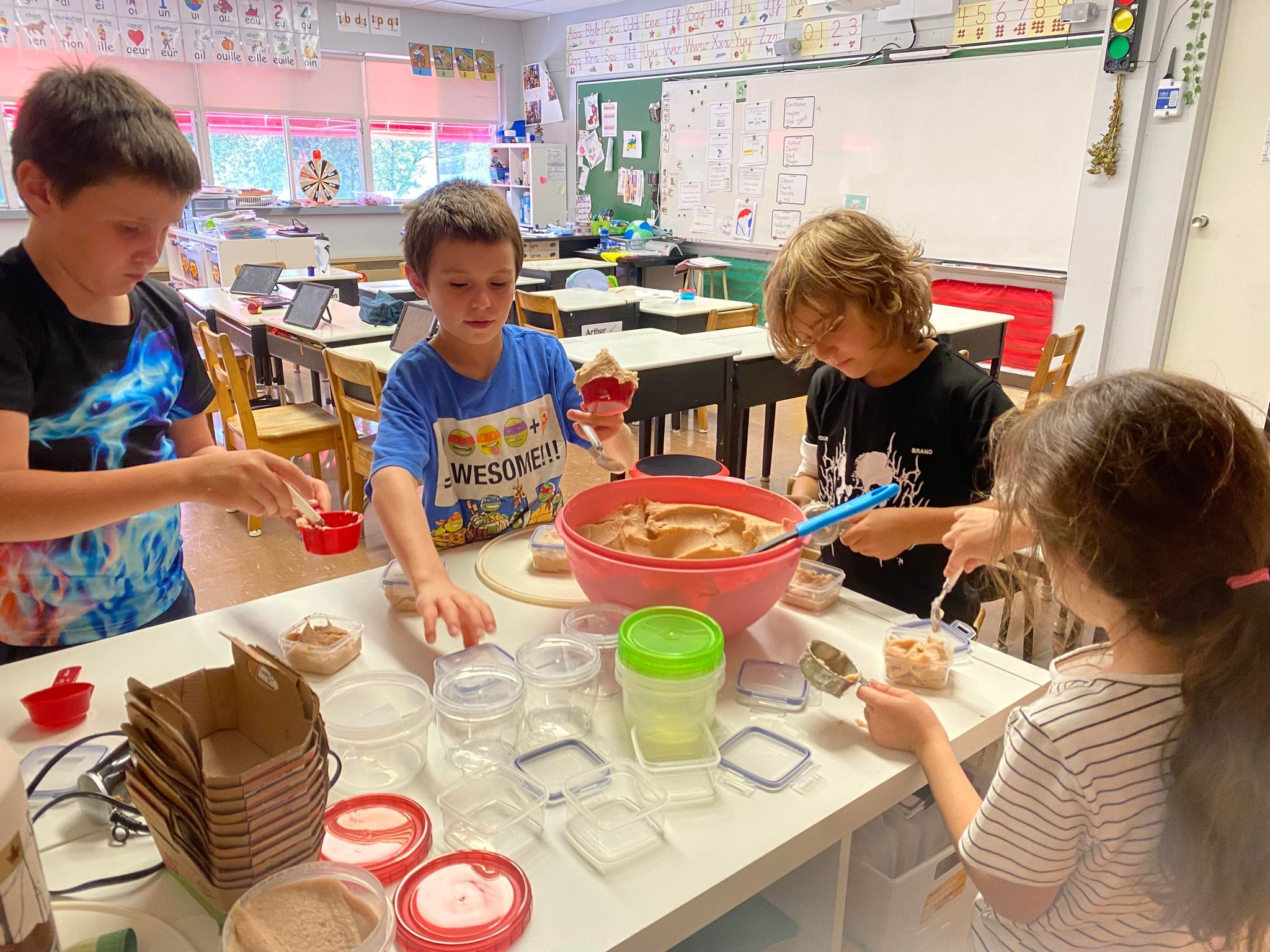
Born from students’ desire to fight food waste, the Les Petits Jardiniers initiative was created. This project allows students to learn gardening basics through a collective garden while cooking meals from surplus or donated produce from local markets. All prepared food is made available to those in need through the town’s solidarity fridge.
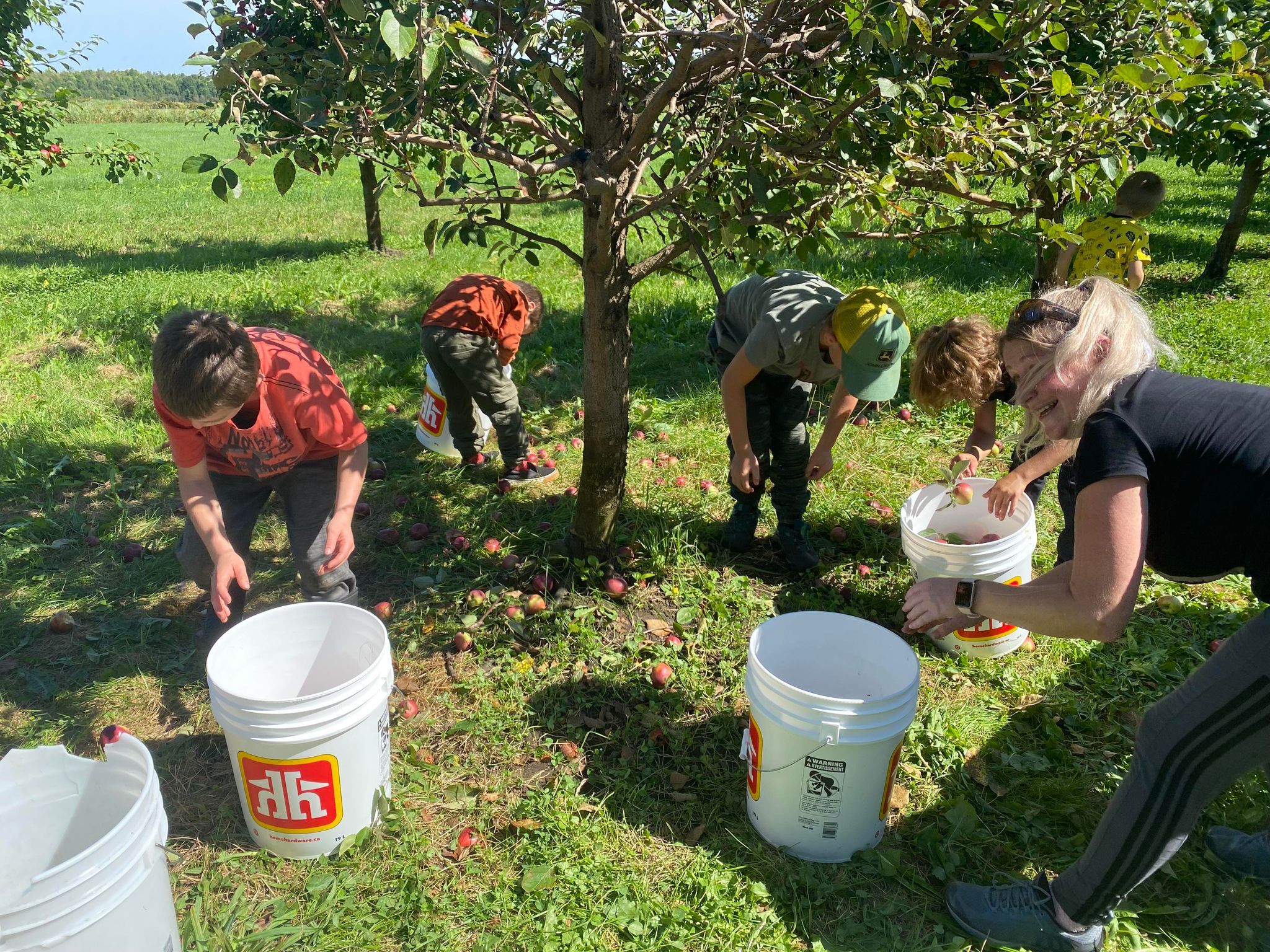
Students gleaned apples at Domaine Hébert in Deschambault, then transformed them and placed them in the solidarity fridge. Other students also participated in apple picking at Verger d’Or de Deschambault.
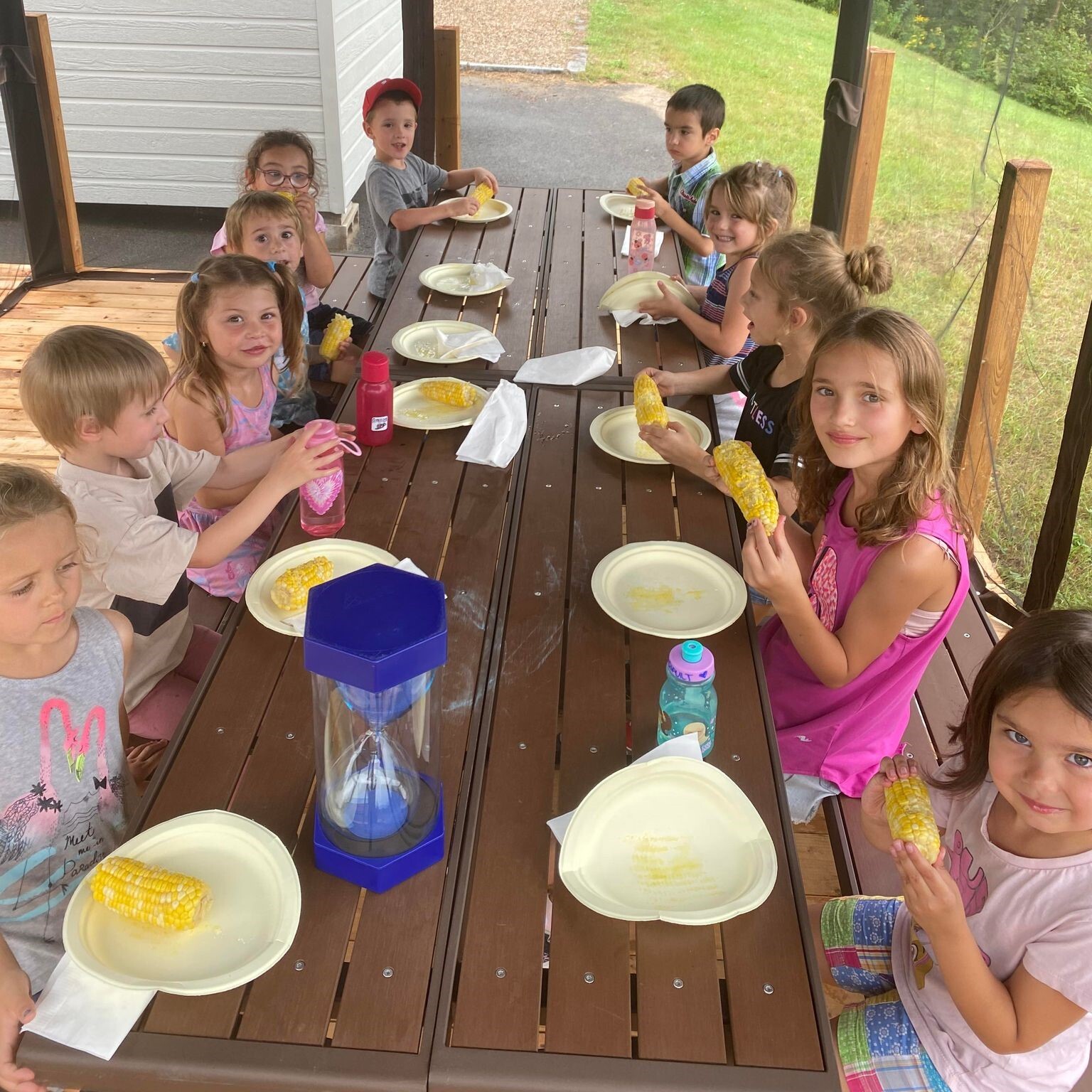
Additional activities included a sweet corn tasting from Neuville for all students, courtesy of the parent organization, and cooking workshops where students prepared apple butter and apple crumble to distribute to the community.
“The positive feedback was unanimous—from children, parents, and the community receiving our food. We see remarkable motivation among students to help others and strong interest in local harvests. They feel proud to contribute and are always eager for the next activity,” says Anne-Marie Lapointe, teacher of Grades 1–3.
École primaire de la Passerelle (Capitale-Nationale)
At École de la Passerelle in Québec City, education extends beyond classroom walls. During their first participation in Les institutions mangent local!, 160 students immersed themselves in the world of local foods by harvesting from their own school garden.
The garden project was launched the previous year after educators jointly selected plant varieties based on growth speed, required care, and students’ presence at school, especially during summer break. Over the summer, neighborhood residents helped water the garden in exchange for a fresh radish—encouraging community involvement and student awareness of food cultivation.
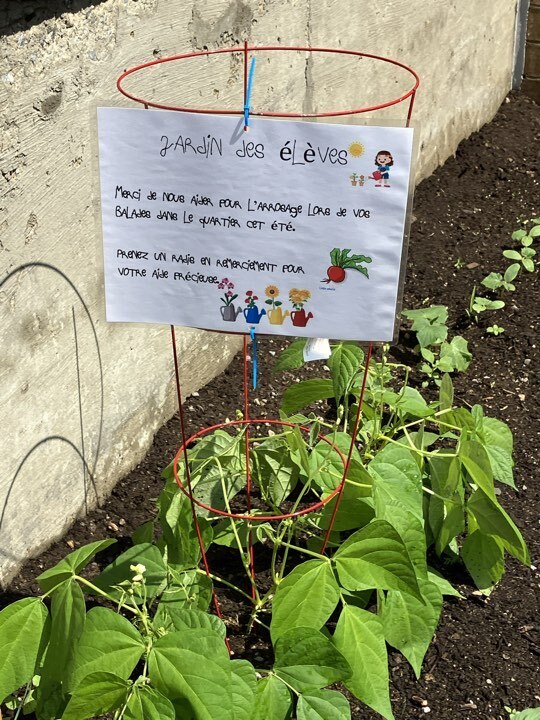
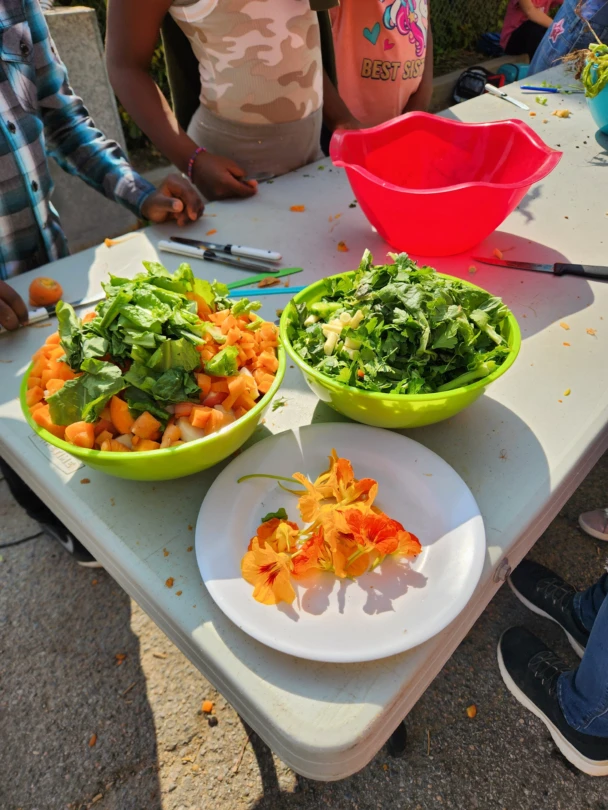
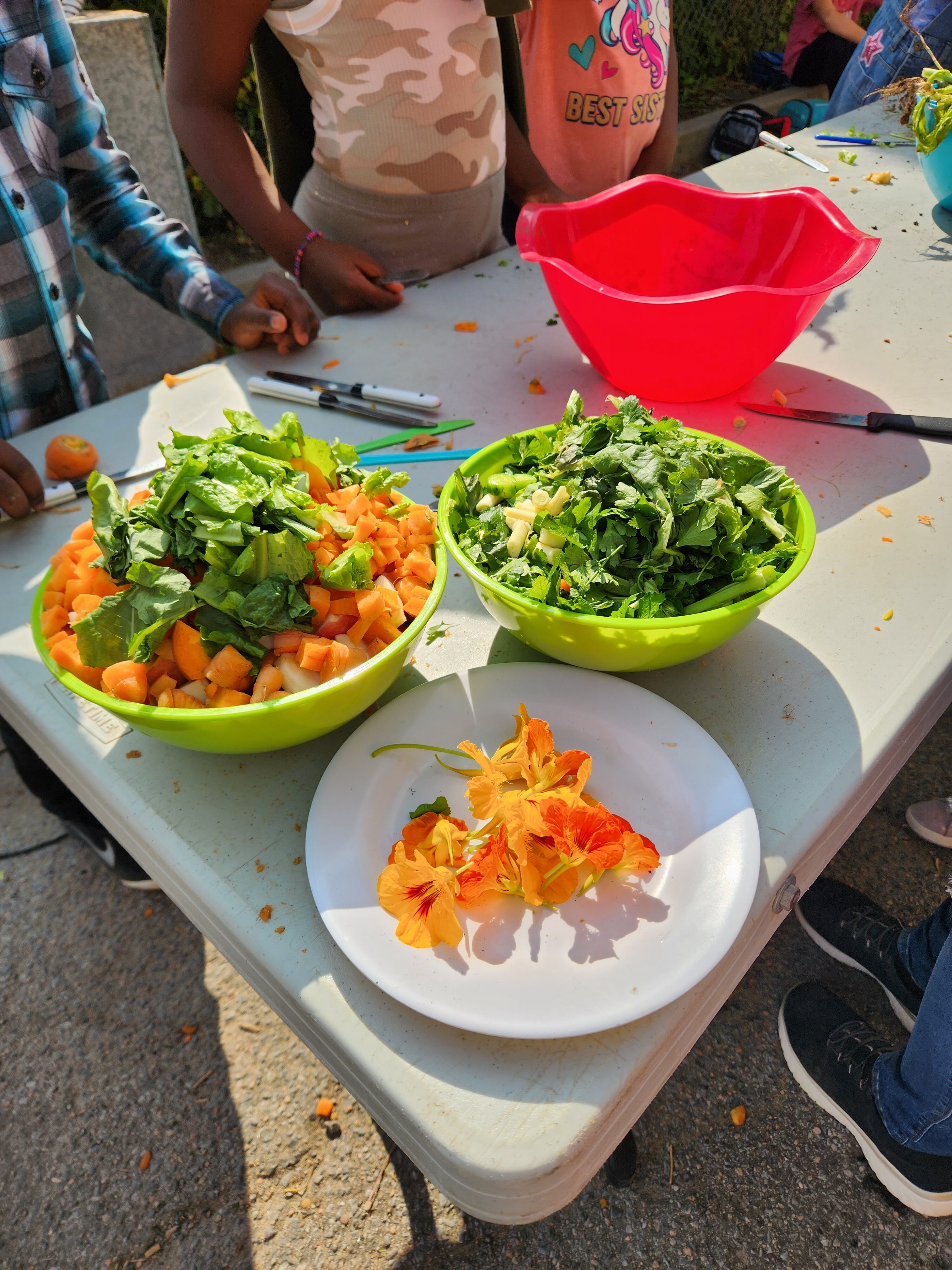
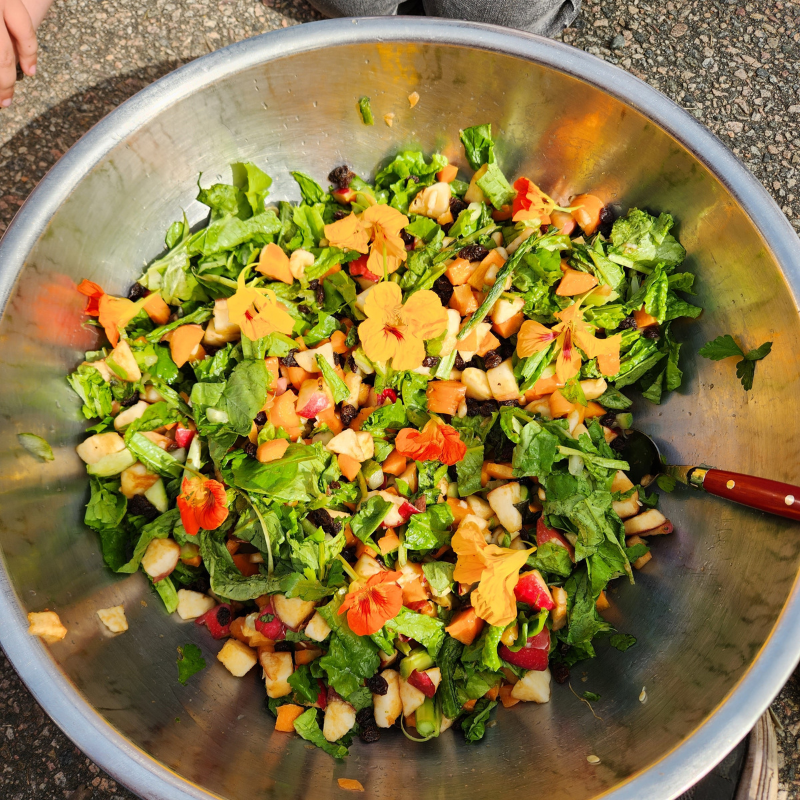
During the event week, students harvested yellow beans, lettuce, radishes, cucumbers, carrots, parsley, mint, basil, and colorful nasturtiums. They tasted fresh herbs and edible flowers right from the garden, discovering surprising new flavors. Back in class, they washed, cut, and prepared the vegetables, adding Québec apples to complete their salad. The final tasting of their colorful creation was a joyful and shared moment.
“Our idea was greatly appreciated by colleagues, parents, and especially the children, who had stars in their eyes throughout the activities. I’d say it was a 10/10 success!” says Sarah Monier, special education technician and daycare educator at École de la Passerelle.
Beyond successfully completing the Harvest Challenge, these activities helped students better understand where their food comes from and the importance of local eating. They strengthened their connection to nature and encouraged curiosity about the world around them.
Discover more inspiring profiles from Les institutions mangent local! here!