Inspirations institution Astuce chef College Montmorency 1072x1215 Mars 2026

Published on March 23, 2026

Collège Montmorency: Learning and Cooking with Local Ingredients

Portrait and Story

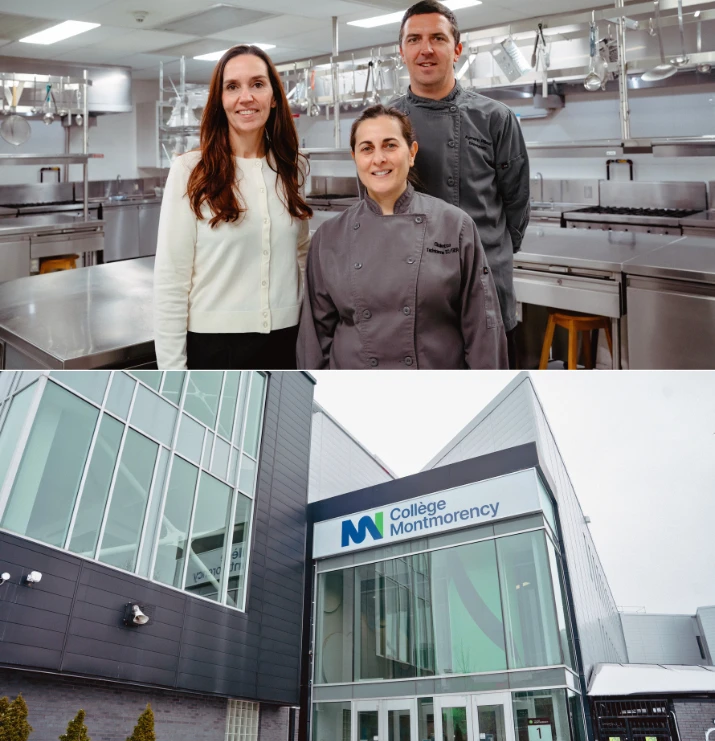
At the Département de Techniques de diététique et Gestion d’un établissement de restauration at Collège Montmorency in Laval, local sourcing is not just a concept—it’s a practice fully integrated into teaching. A member of Aliments du Québec au menu, the department trains the next generation of food professionals by combining theoretical learning with hands-on experience, all while highlighting Quebec-grown products.

“Our goal is for our students to develop lasting habits now, such as sourcing locally, so they can make responsible choices throughout their careers,” explains Stéphanie Bell, a nutritionist, professor in dietetics, and department coordinator.

Two Complementary Programs

The Gestion d’un établissement de restauration program prepares versatile managers capable of leading restaurants and food service operations. It combines culinary skills, management, leadership, and customer service. “Students learn to plan menus, control costs, supervise teams, and organize operations,” Stéphanie notes.

The Techniques de diététique program focuses on three main areas: nutrition, food service management, and quality and safety control. Stéphanie adds: “Through labs, clinical simulations, and internships in Quebec and abroad, our students gain solid skills in nutrition, menu adaptation for different audiences, menu development, food service, and quality and safety management.”

Both programs adopt a sustainable and eco-responsible approach, including the integration of local products, to address current food and environmental challenges.

For more information or to enroll in one of these programs at Collège Montmorency:
Techniques de diététique >>

Gestion d’un établissement de restauration >>

Inspirations institution astuce chef College Montmorency 715x810 equipe

Learning in Real Conditions

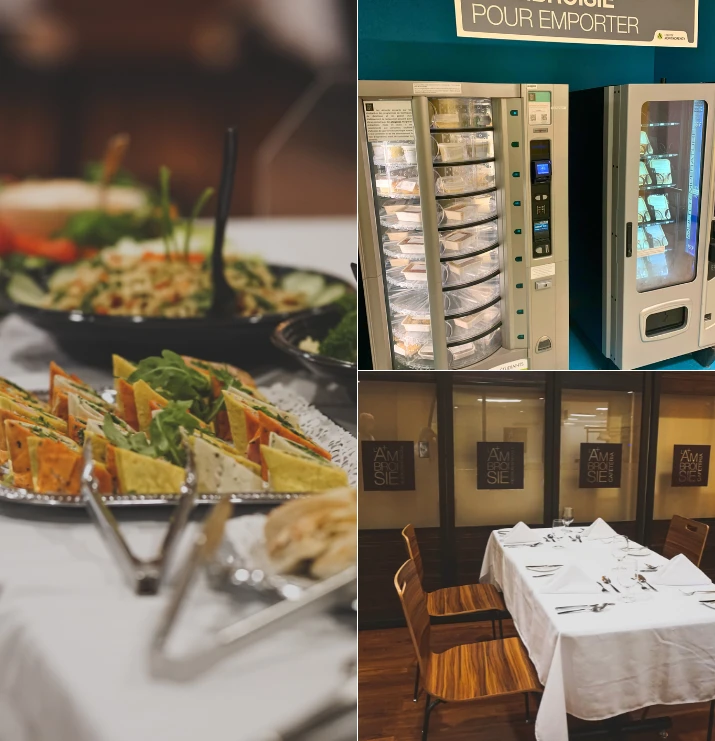
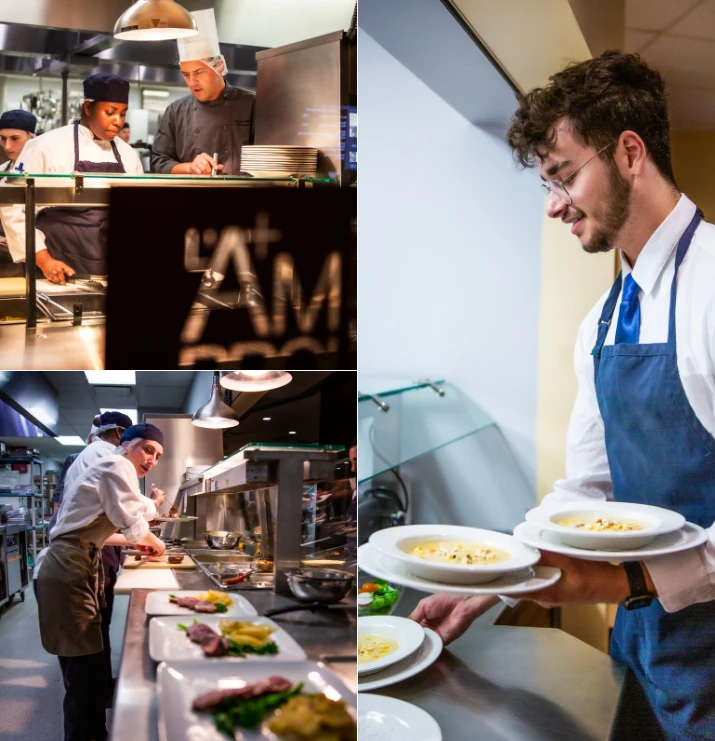
At the heart of the training is the school restaurant L’Ambroisie, open to the community and the general public. Depending on the fall or winter session, it operates as either a cafeteria or a full-service restaurant. “Menus are varied and, as much as possible, made with local products. Meals are served at the school restaurant or offered in vending machines. You’ll find everything from classic favorites, like spaghetti Bolognese, to more elaborate dishes, for example with duck,” Stéphanie explains.

Inspirations institution astuce chef College Montmorency 715x810 distributeur

.

Students also cook with vegetables, herbs, and sprouts grown directly on campus, taking advantage of greenhouses, a green roof, and gardens managed by the Département de Paysage et commercialisation en horticulture ornementale. “This collaboration between our two departments promotes practical, integrated learning,” adds Stéphanie.

Unused ingredients or surplus preparations are redistributed through Frigo Momo and Congélateur Momo as part of a solidarity and anti-waste initiative.

Inspirations institution astuce chef College Montmorency 715x810 etudiants

A Chef’s Tip for Local Fish

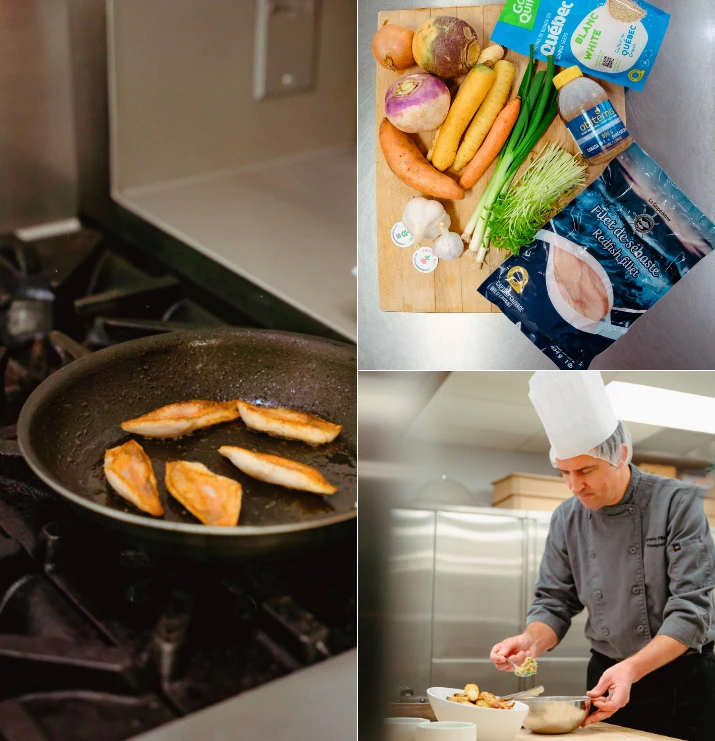
To demonstrate how local ingredients are used in institutional cooking, Aymeric Pillaud, chef-instructor in the Gestion d’un établissement de restauration program, shares a tip featuring rockfish. Caught in the Gulf of Saint Lawrence, this deep-sea fish is gaining popularity and is increasingly accessible. Recognizable by its red skin and large eyes, rockfish fillets are lean, white, and delicate, with a soft, flaky texture that suits various cooking methods.

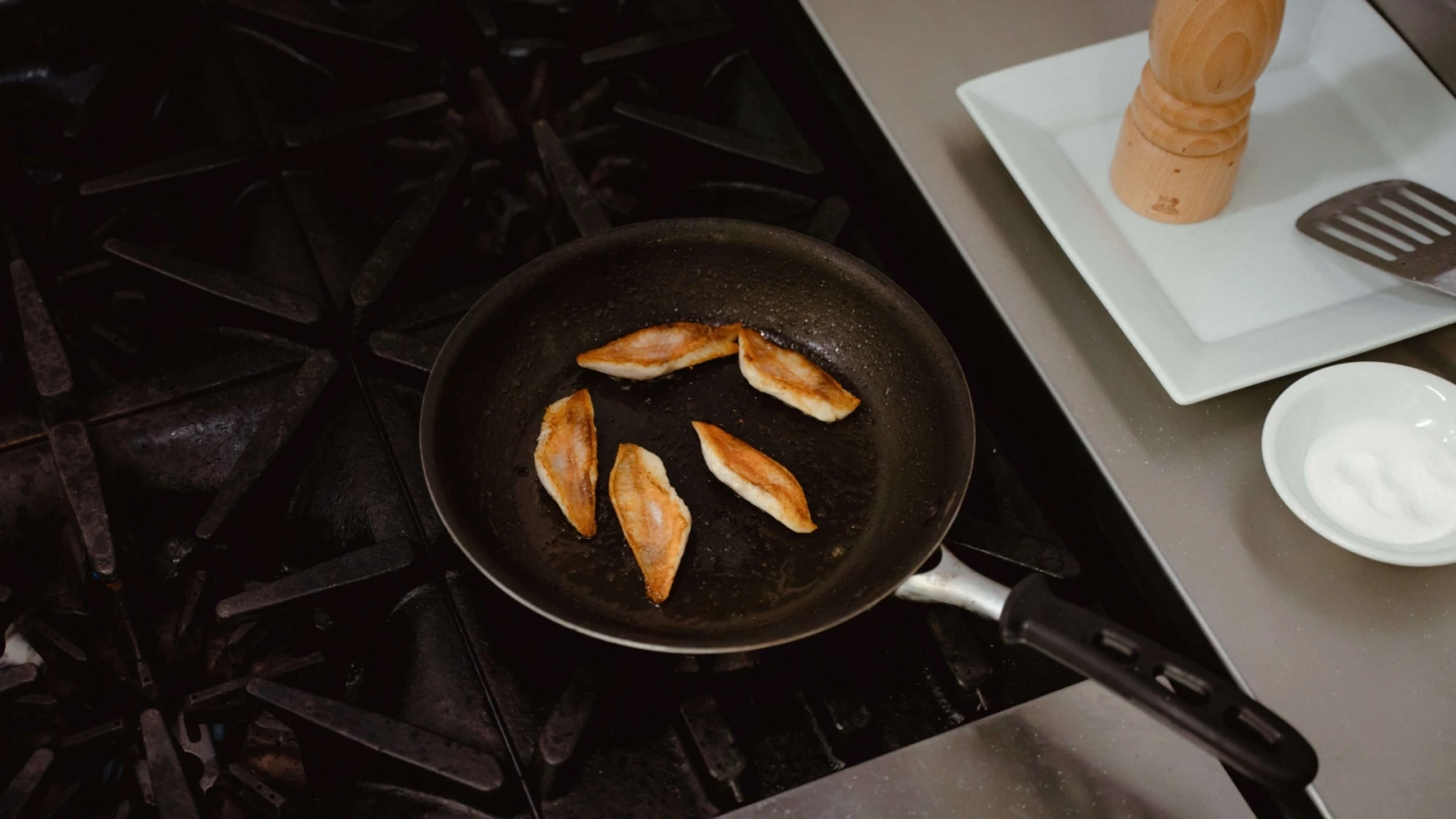
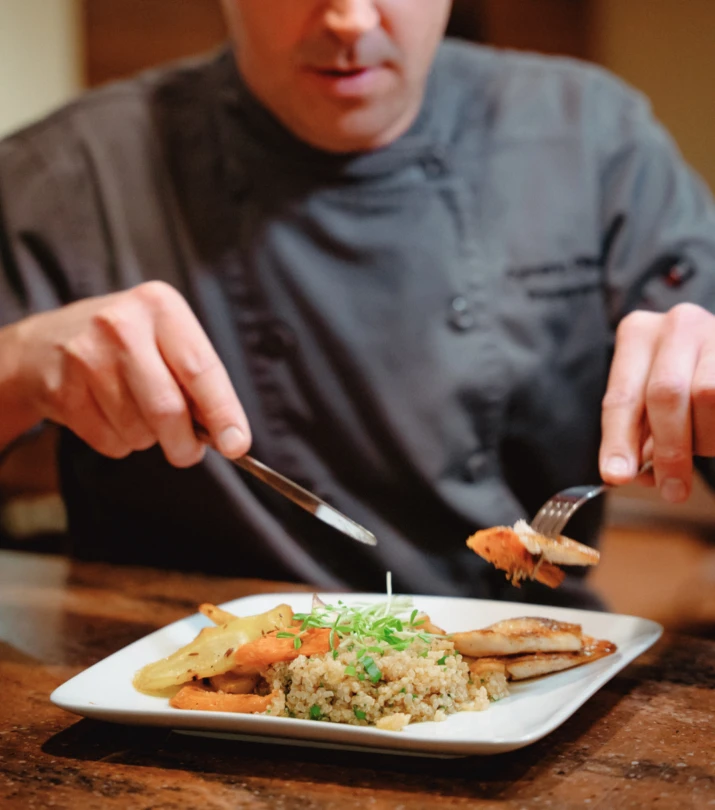
His tip: a simple and effective pan-searing technique. The fillet is first seasoned with salt and pepper, then placed cold, skin-side down, in a pan with a little oil. “We heat the pan fairly high. After two to three minutes on the first side, turn off the heat, flip the fish, and finish cooking for one minute in the still-hot pan. The rockfish is ready when the flesh becomes opaque and flakes easily, or reaches an internal temperature of 71 °C (160 °F),” he explains.

Inspirations institution astuce chef College Montmorency 715x810 astuce sebaste

.

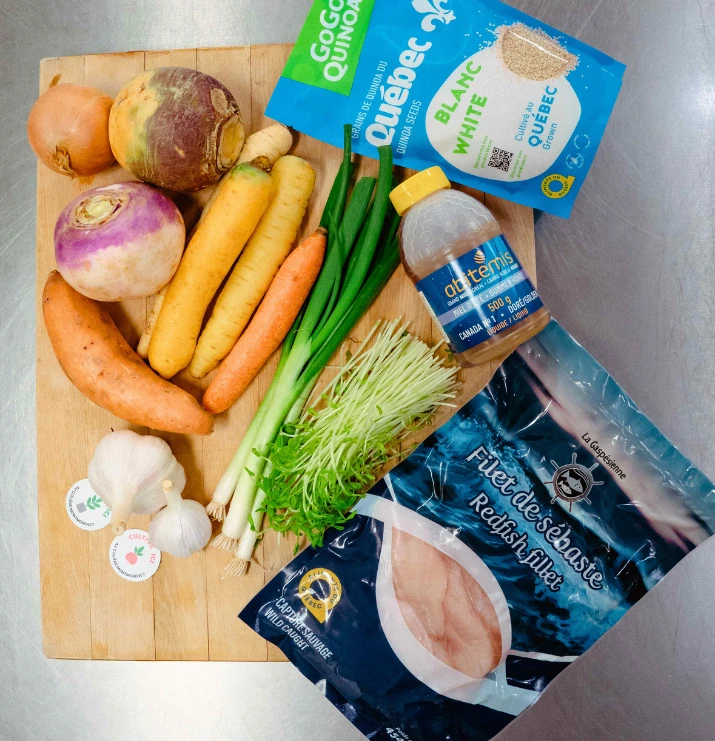
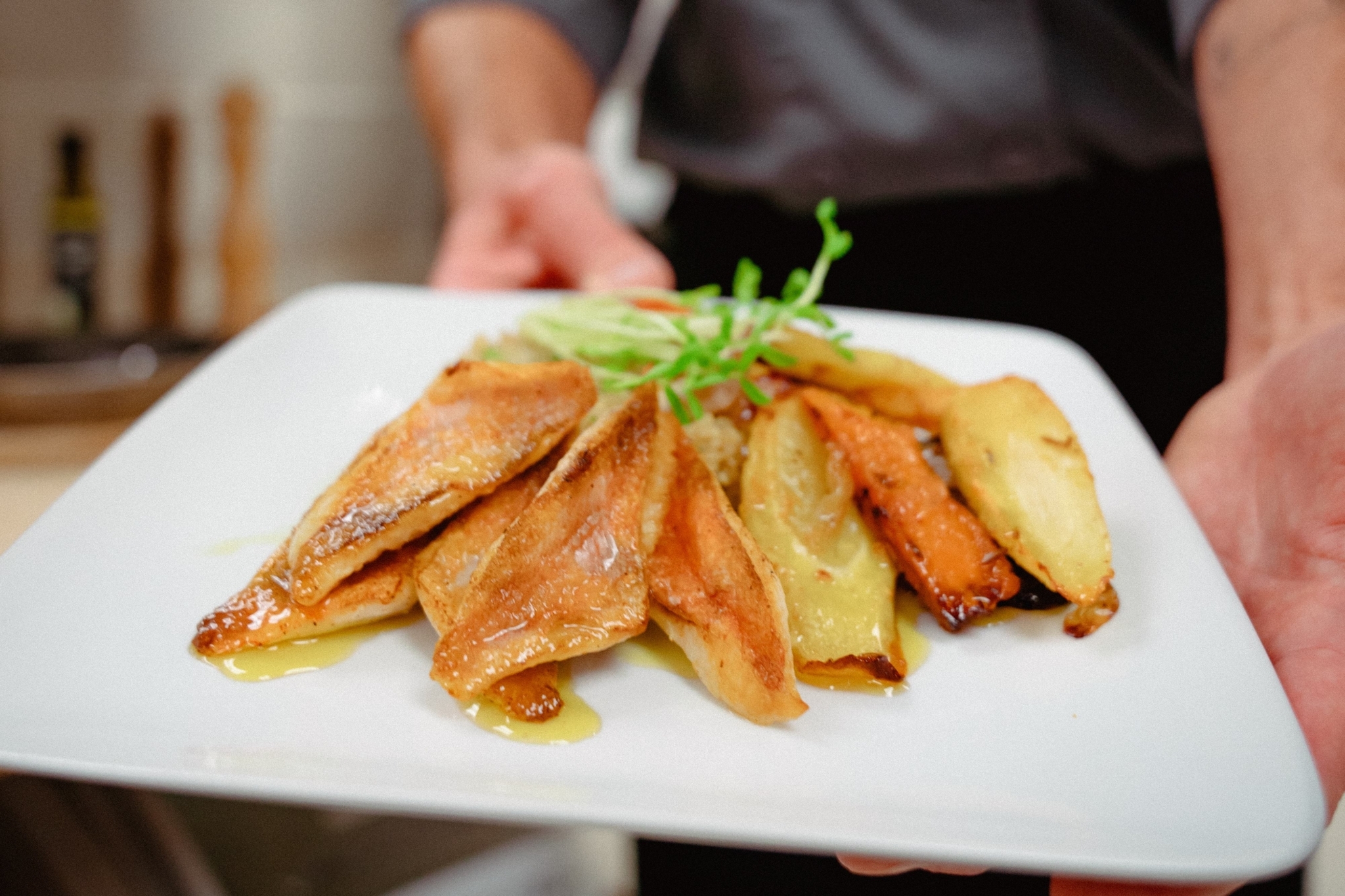
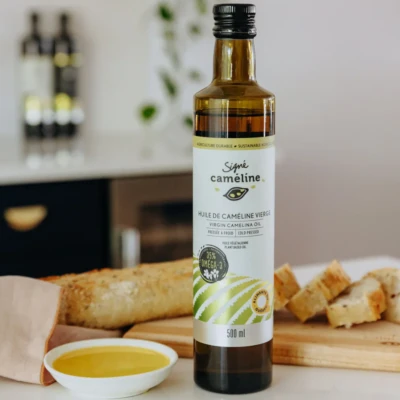
To complete the plate, Aymeric recommends serving the pan-seared rockfish with roasted root vegetables, Quebec-grown quinoa, and a drizzle of camelina oil—a combination of local ingredients available year-round. (Full recipe at the end of the article.)

From a nutritional perspective, Stéphanie Bell highlights the benefits of this dish: “The rockfish portion provides protein and omega-3s. The quinoa and root vegetables offer essential nutrients such as fiber, vitamins, and minerals. It’s truly the full richness of Quebec foods on a single plate.”

Inspirations institution astuce chef College Montmorency 715x810 ingredients

Training Today, Feeding Tomorrow

Despite challenges related to availability and volume, the range of local products continues to grow, making integration into institutional kitchens easier. For Aymeric, the pride is clear: “What makes me most proud is training the next generation. Our students leave Collège Montmorency with a sensitivity to local products and a renewed vision of what institutional food service can be.”

  • 26 01 13 TASTET ludovicphotographie DSC09300 16x9 LR

Watch the video to see Chef Aymeric Pillaud from Collège Montmorency share his tip.

RECIPE

Pan-Seared Redfish with Quinoa and Roasted Vegetables

Servings: 4
Total Time: ~45 minutes

Ingredients:

  • 1 lb rockfish fillets, with skin (4–5 per serving)
  • Vegetable oil for cooking
  • 1 cup Quebec white quinoa
  • 2 lb Quebec root vegetables (e.g., onions, carrots, parsnips, sweet potato, radishes, turnips…), cut into evenly sized pieces
  • 1 clove garlic, minced
  • 20 ml honey (or maple syrup)
  • Salt and pepper
  • Herbs to taste (green onion, parsley, chives…)
  • Caraway (or cumin, or other spices)
  • Camelina oil, for serving

Preparation:

Quinoa: Cook according to package instructions. Keep warm. Add fresh herbs to taste.

Vegetables: Preheat oven to 400°F (200°C). In a bowl, mix vegetables with garlic, caraway, and honey, drizzle with oil, and season with salt and pepper. Place on a baking sheet. Roast 25–30 minutes, stirring halfway, until tender and golden.

Rockfish: Tip reminder Season fillets, flesh side, with salt and pepper. Place skin-side down in a cold pan with a little oil. Heat over medium-high heat for 2–3 minutes. Turn off the heat, flip fish, and cook 1 minute in the hot pan. Fish is done when opaque, flakes easily, or reaches an internal temperature of 71 °C (160 °F).

Assembly: Plate a dome of quinoa, place roasted vegetables alongside, top with rockfish, and finish with a drizzle of camelina oil.