Published on March 12, 2024
Entrepreneurial Projects to Showcase Local Products
During the 5th edition of the annual event Les institutions mangent local! held last fall at the height of harvest season, Aliments du Québec au menu invited daycare centers, schools, cégeps, universities, hospitals, workplaces, and various organizations to celebrate local foods. Among the hundreds of participating institutions, many adopted exemplary practices to highlight Québec food products. Discover, through this five-article series, especially inspiring profiles.
This fifth article features CHU de Québec – Université Laval, Cégep de Saint-Félicien, and the Coopérative de solidarité alimentaire des Sources – École secondaire L’Escale.
Promoting Québec foods and supporting local businesses are central concerns for many institutions across the province. During the Les institutions mangent local! event, several establishments celebrated Québec’s culinary richness by leveraging their entrepreneurial spirit. The Entrepreneurship Challenge—the third challenge launched by event spokesperson Emmanuel Bilodeau—greatly inspired institutions such as CHU de Québec – Université Laval, Cégep de Saint-Félicien, and the Coopérative de solidarité alimentaire des Sources – École secondaire L’Escale. Let’s explore these inspiring initiatives that successfully combined entrepreneurship with the promotion of local foods.
“The entrepreneurship challenge was taken on by different types of institutions, both small and large. What pride in seeing the strong partnerships created to complete the challenge, as most involved direct collaboration with local producers and food suppliers. Creativity, innovation, and leadership were on full display!” says Mathilde Laroche-Bougie, manager of the Aliments du Québec au menu program.
CHU de Québec – Université Laval (Capitale-Nationale)
This year, CHU de Québec – Université Laval committed to exploring regional products, educating and raising awareness about healthy, local, and responsible eating, and building partnerships with local producers.
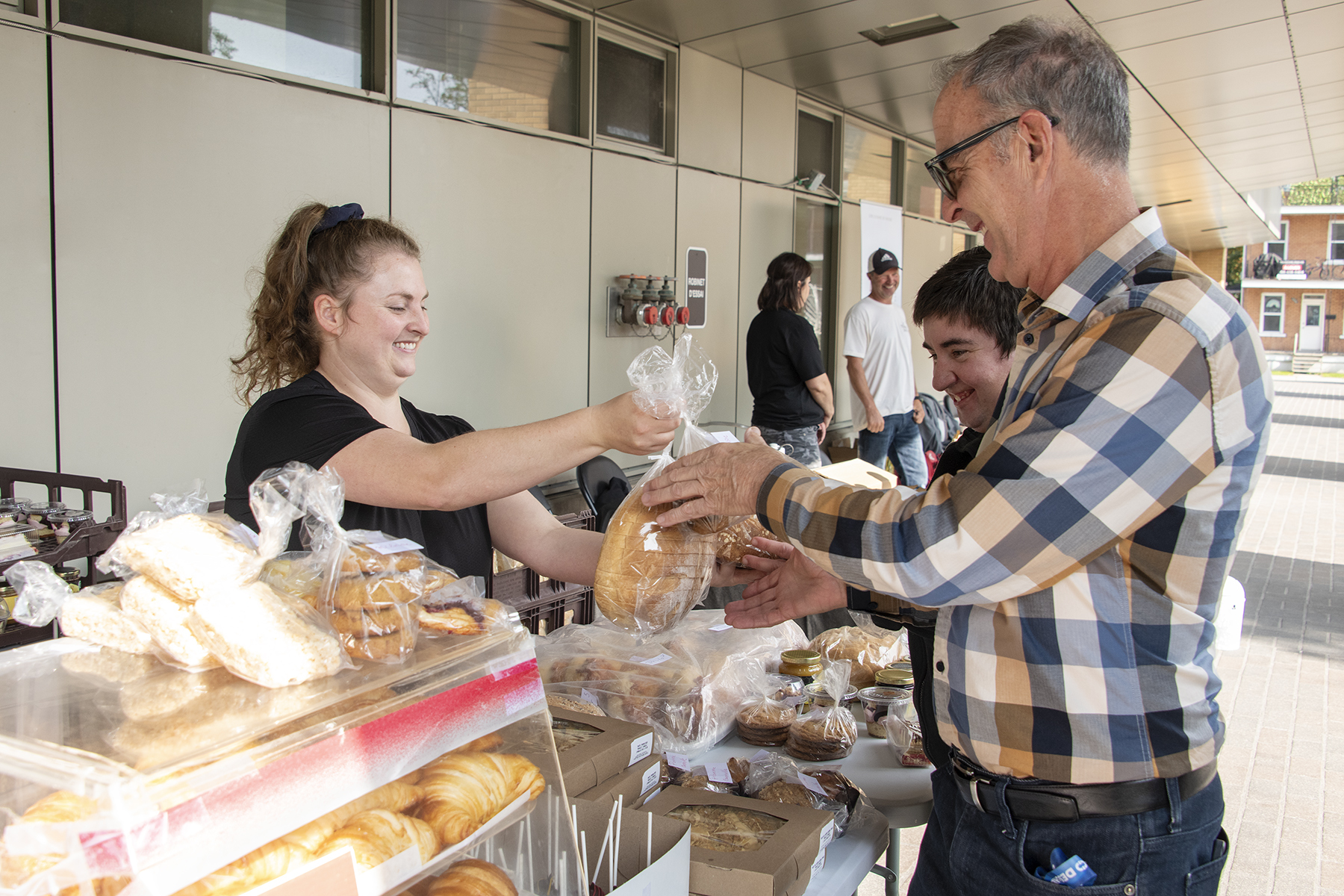
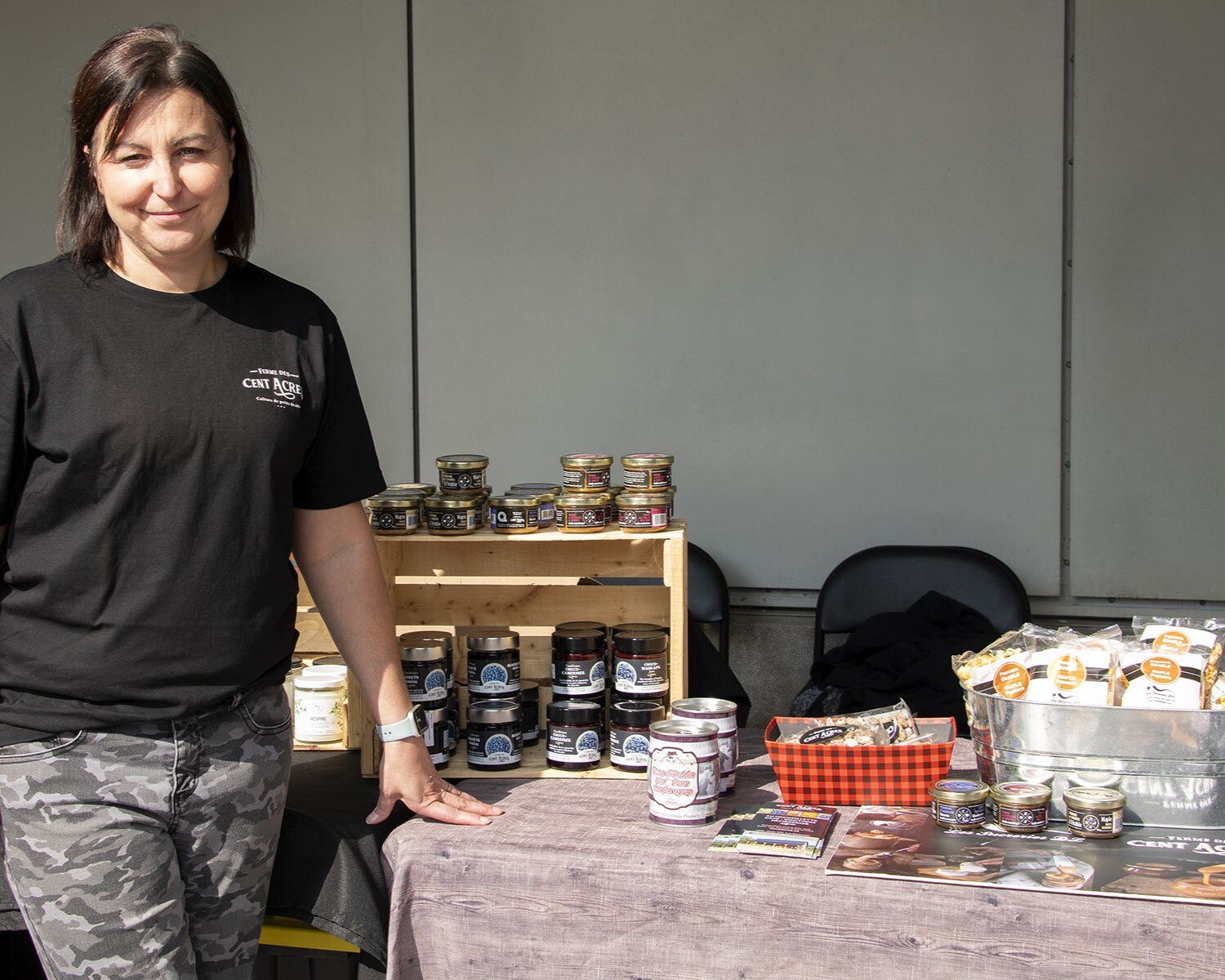
In collaboration with producers from the Chaudière-Appalaches agri-food table, a two-day mini gourmet market was held at Hôpital de l’Enfant-Jésus. Featured products included garlic, baked goods, and maple products. Staff appreciated having fresh local products readily available and shared overwhelmingly positive feedback. Participating producers were equally delighted by the interactions and discussions with the CHU community, as well as the sales generated.
Beyond their entrepreneurial efforts, the institution also showcased the haskap berry, a small oval fruit with a unique and complex flavor from the Bellechasse region. It was transformed into delicious cheesecakes prepared by the food services team and sold in the cafeteria to great success. Staff and patients were thrilled to discover this local fruit. The hospital also raffled off five baskets filled with local flavors, featuring gourmet products from various producers in Capitale-Nationale and Chaudière-Appalaches.
“Everyone is sensitive to environmental issues. To preserve resources long term, it’s important to prioritize healthy, local food,” says Mariama Abdoulaye Alguima, B.Sc., M.Env., project manager for sustainable development at CHU de Québec – Université Laval.
Coopérative de solidarité alimentaire des Sources – École secondaire L’Escale (Estrie)
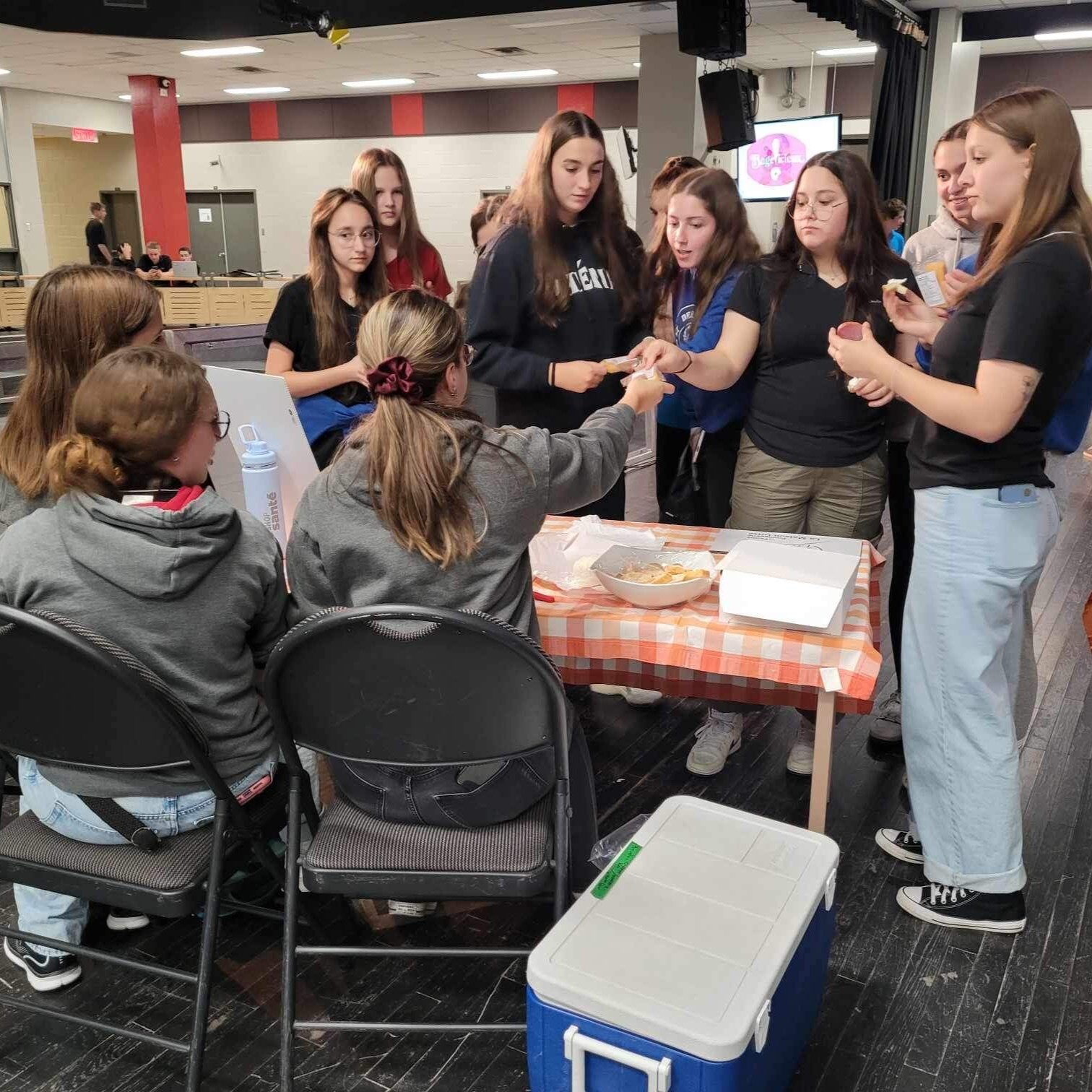
At École secondaire de l’Escale, the cafeteria is managed by the Coopérative de solidarité alimentaire des Sources, whose main mission is local purchasing. All students are cooperative members, meaning they can get involved in meal preparation. During Les institutions mangent local! week, the menu highlighted one or two different producers each day.
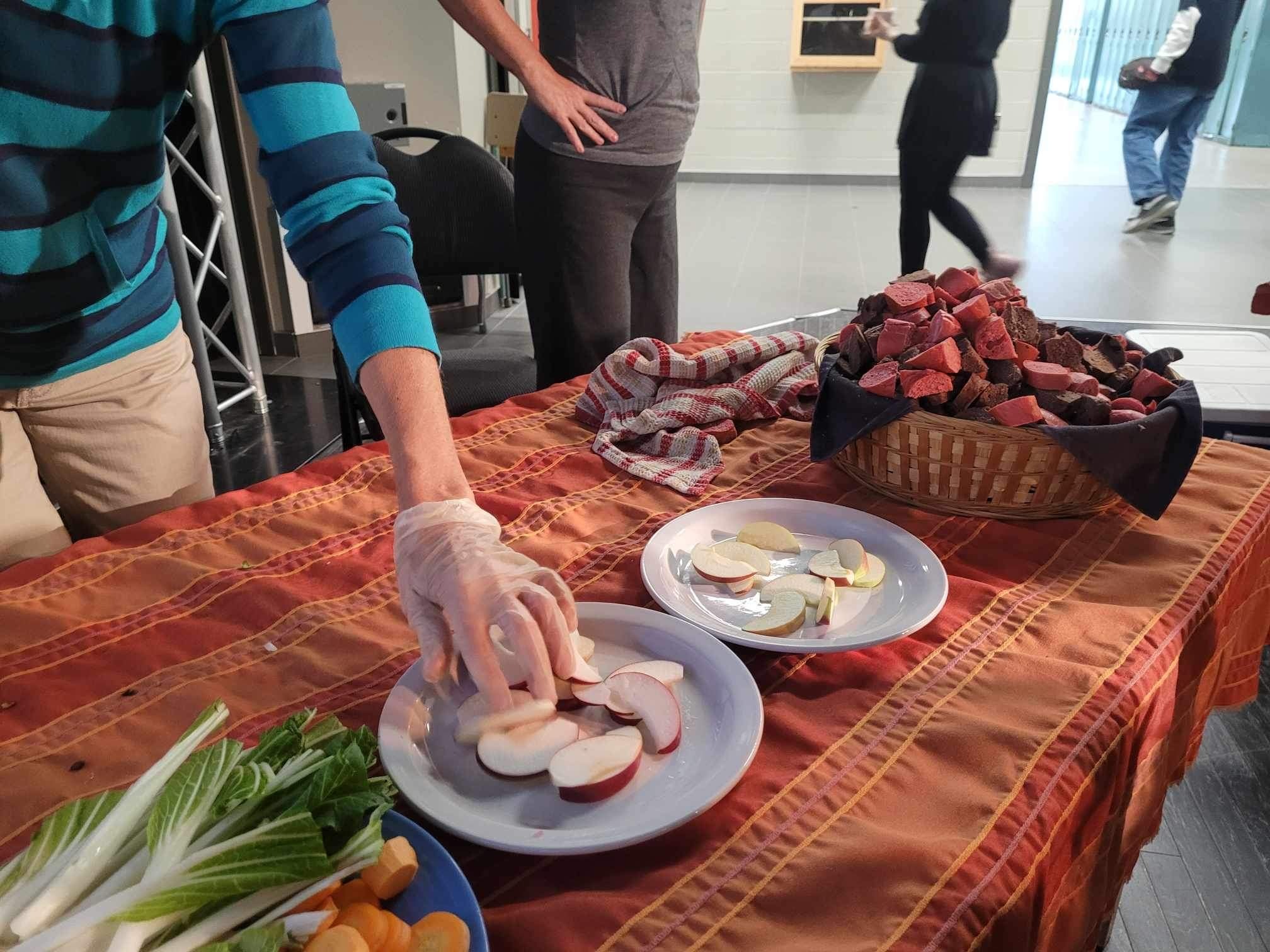
To demonstrate its entrepreneurial spirit, the cooperative organized a lunchtime mini-market. Seven producers were present or represented by students who work for them or whose parents are producers. Through free tastings, participants discovered the people behind the products featured daily in their cafeteria. Producers were delighted to share their passion with youth. Accustomed to serving adult clients, they were enthusiastic about connecting with teenagers, sharing knowledge, and sparking interest in local products. Tasting highlights included chorizo salami, goat cheese, blueberry and sea buckthorn popsicles, root vegetables, charcuterie, and bagels—a true feast for the senses.
“The students loved the market! They enjoyed discovering and tasting producers’ products in their pure form, not just incorporated into recipes,” explains Véronic Poisson, English teacher and executive director of the cooperative.
Committed to healthy eating, the school also invested in educational greenhouses. Under the supervision of the science department and two teachers, students now harvest Swiss chard, lettuce, beans, tomatoes, and herbs. By prioritizing local purchasing, the school supports regional farmers while strengthening community ties and a sense of belonging.
Cégep de Saint-Félicien (Saguenay–Lac-Saint-Jean)
At Cégep de Saint-Félicien, a series of inspiring activities highlighted regional products and promoted sustainable eating within the college community.
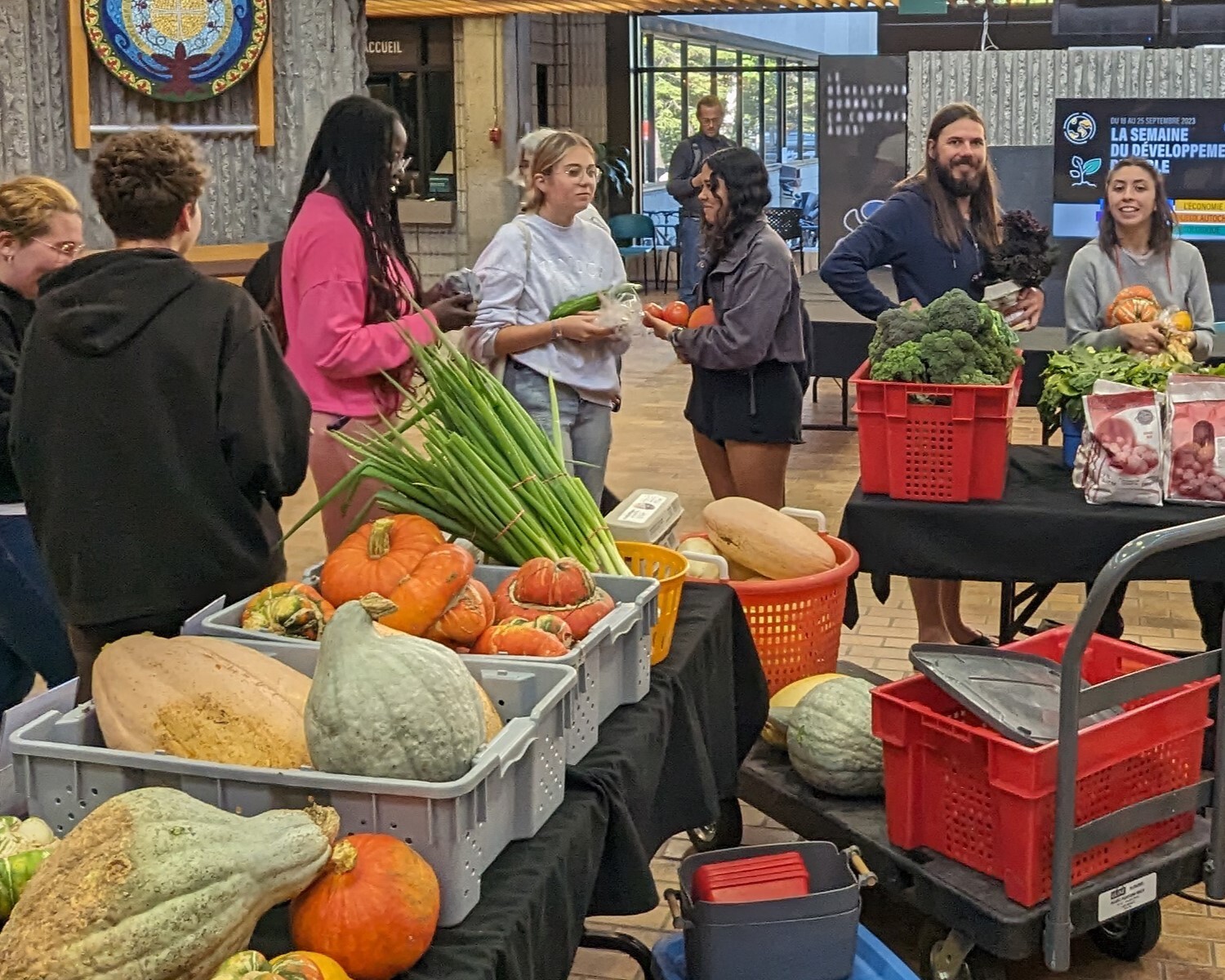
The week’s flagship event was undoubtedly a local food market held in the cégep’s central plaza. Students, staff, and community members discovered and appreciated the richness of regional foods while supporting local producers. Meanwhile, the cafeteria offered a 100% local gourmet menu featuring turnip and honey cream soup, onion and garlic beef with garden vegetables, and blueberry upside-down cake for dessert.
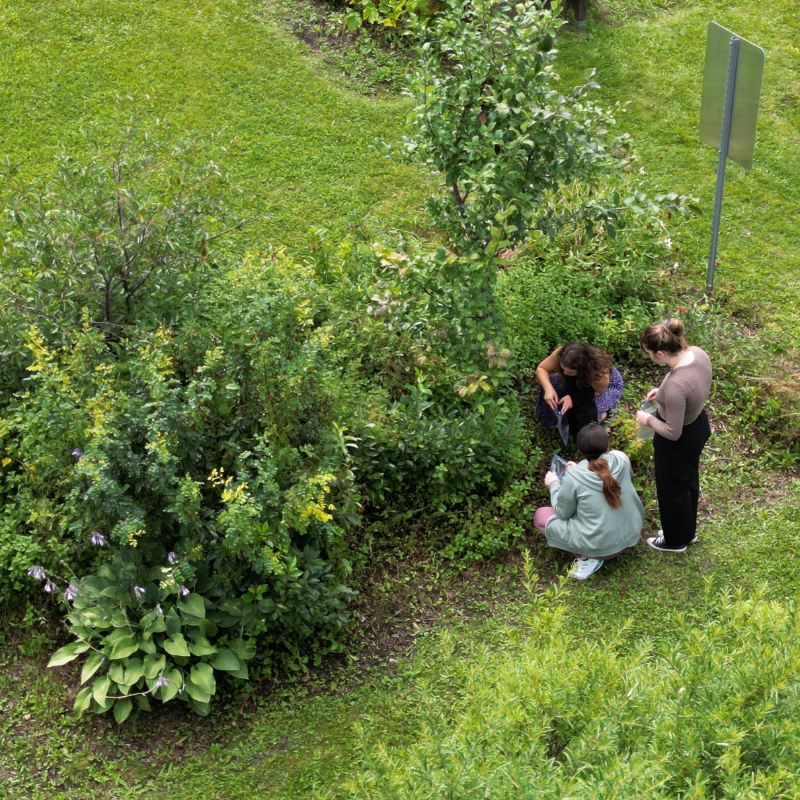
Another standout activity was the visit and promotion of the Saint-Félicien Food Forest located on campus grounds. Covering 675 square meters, it boasts a diverse array of perennial edible plants, including fruits, vegetables, herbs, edible and medicinal flowers, and nuts. Developed using permaculture principles, the project aims to create sustainable, self-sufficient ecosystems inspired by nature. Participants harvested blackberries, blueberries, apples, raspberries, and aronia berries during the activity.
“The food market helped establish new contacts with local producers, and the local menu in the cafeteria raised awareness among COOPSCO managers about the benefits of local cuisine—it’s more accessible and affordable than we think,” says Guillaume Maziade, Natural Environment Techniques instructor and sustainable development advisor at Cégep de Saint-Félicien. “Our activities showed students and staff the importance of supporting regional products, strengthening ties between the institution and its community.”
The three institutions brilliantly demonstrated their commitment to local, responsible, and sustainable food through their entrepreneurial initiatives. If you have a business mindset, consider putting it to work at the next edition of Les institutions mangent local!—your institution and its community will surely benefit.
Discover more inspiring profiles from Les institutions mangent local! here!