Published on September 20, 2025
Our best tips to freeze fruits & veggies
Fall is the perfect time to fill your freezer with your favorite foods. Not only does this help you eat local, but it also allows you to save money all year long.
Stock up
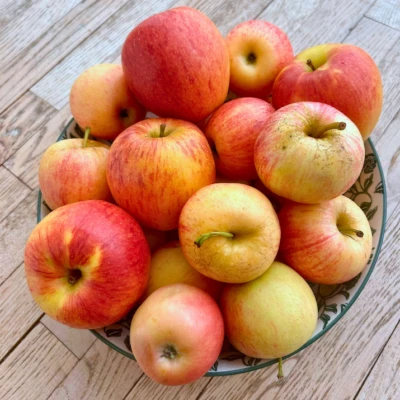
October is truly harvest season at its peak. Carrots, apples, squash, onions, turnips, leeks, potatoes, beets — there’s no shortage of options. And supermarkets often offer the best combination of quality, quantity, and price at this time of year.
Plastic bag or container?
It really depends on the size of your freezer!
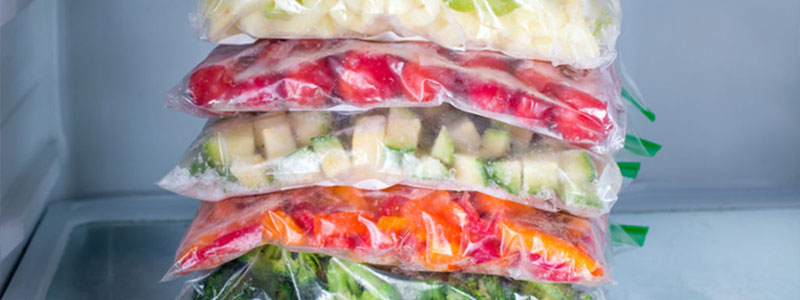
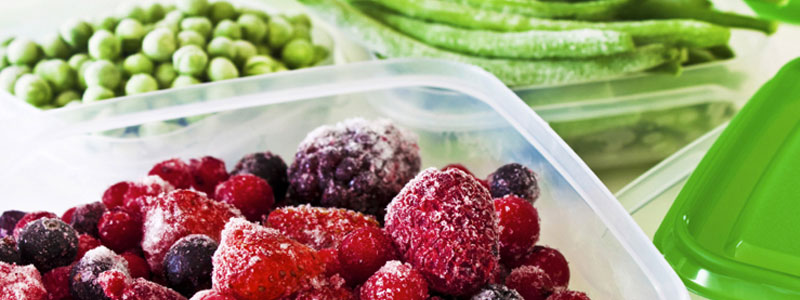
If you’re lucky enough to have a large upright freezer, the choice is yours. If you only have a small freezer, your options are more limited — freezer-safe plastic bags are your best bet. In both cases, one word matters most: airtight. The goal is to protect food from cold exposure to prevent freezer burn and that dreaded “frozen” taste.
Is blanching really necessary?
Even if it seems like an extra step, blanching is essential to maintain freshness and nutrients. Blanching doesn’t mean cooking — simply plunge the vegetables into boiling water for 2 to 3 minutes, then stop the cooking immediately by placing them in ice water. Note that some vegetables, such as onions, squash, and potatoes, do not need to be blanched.
The ultimate trick
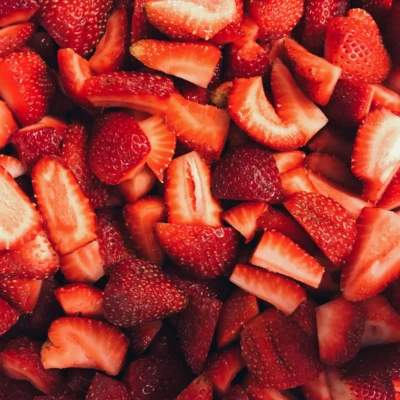
A baking sheet is your best friend when freezing small fruits or pre-cut vegetables.
Step one: spread the fruits or vegetables on the sheet and place it directly in the freezer.
Step two: once frozen, transfer everything into an airtight freezer bag.
This way, you avoid ending up with one giant frozen block of produce!